
BTMETER BT-100 Handheld Anemometer
4.5Editor score
Measures wind speed in five units
Tripod hole for stable mounting
Includes bright backlit LCD screen
Discover the top marine anemometers for accurate wind speed and direction readings on your vessel. This guide compares handheld and fixed units for sailors.
Choosing the right marine anemometer is crucial for safe and efficient sailing. These devices measure wind speed and direction, helping sailors adjust sails and navigate safely in changing conditions. Whether you are on a small dinghy or a large yacht, reliable wind data is essential.
We compared ten different anemometers ranging from affordable handheld units to professional fixed systems. Our analysis focuses on accuracy, durability, ease of use, and suitability for marine environments. We looked at sensor types, display readability, and connectivity options to ensure you find the best tool for your needs.
Each product in this list offers unique features tailored to specific boating scenarios. Some are perfect for casual sailors while others meet the demands of serious racing crews. Please note that product availability and pricing can change frequently so always check current listings before purchasing your device.
4.5Editor score

4.7Editor score

4.4Editor score
This side by side comparison highlights the key specifications of each anemometer to help you make an informed decision. We evaluate wind speed range, unit options, display features, and additional sensors like temperature or humidity where available.



The BTMETER BT-100 is a versatile handheld anemometer that serves well for casual marine use. With a rating of 4.5 stars it offers reliable wind speed readings across five different units. Its standout quality is the tripod hole which allows for stable measurements when sailing or shooting.
We may earn a commission when you buy through this link, at no additional cost to you.
Key strengths include its wide measurement range from 0.67 to 67.1 mph and temperature readings from 14 to 113 degrees Fahrenheit. The bright backlit LCD ensures you can read data even in low light conditions. Two temperature sensors and eight vanes make it sensitive enough for low air flow detection.
Trade-offs involve its lack of waterproofing which limits use in heavy rain or splashing environments. The build is functional but not rugged like professional marine instruments. These limitations are acceptable given the budget friendly price and focus on portability over extreme durability.
Sailors needing a quick and affordable way to check wind conditions will find this device valuable. It is perfect for weekend sailors or those monitoring wind for recreational activities like kite flying or drone driving. We recommend it for casual users who prioritize convenience and cost.
The dual sensor system ensures accurate readings even in varying temperature conditions on the water.
The tripod thread allows you to secure the device for hands free monitoring during critical sailing moments.
We may earn a commission when you buy through this link, at no additional cost to you.
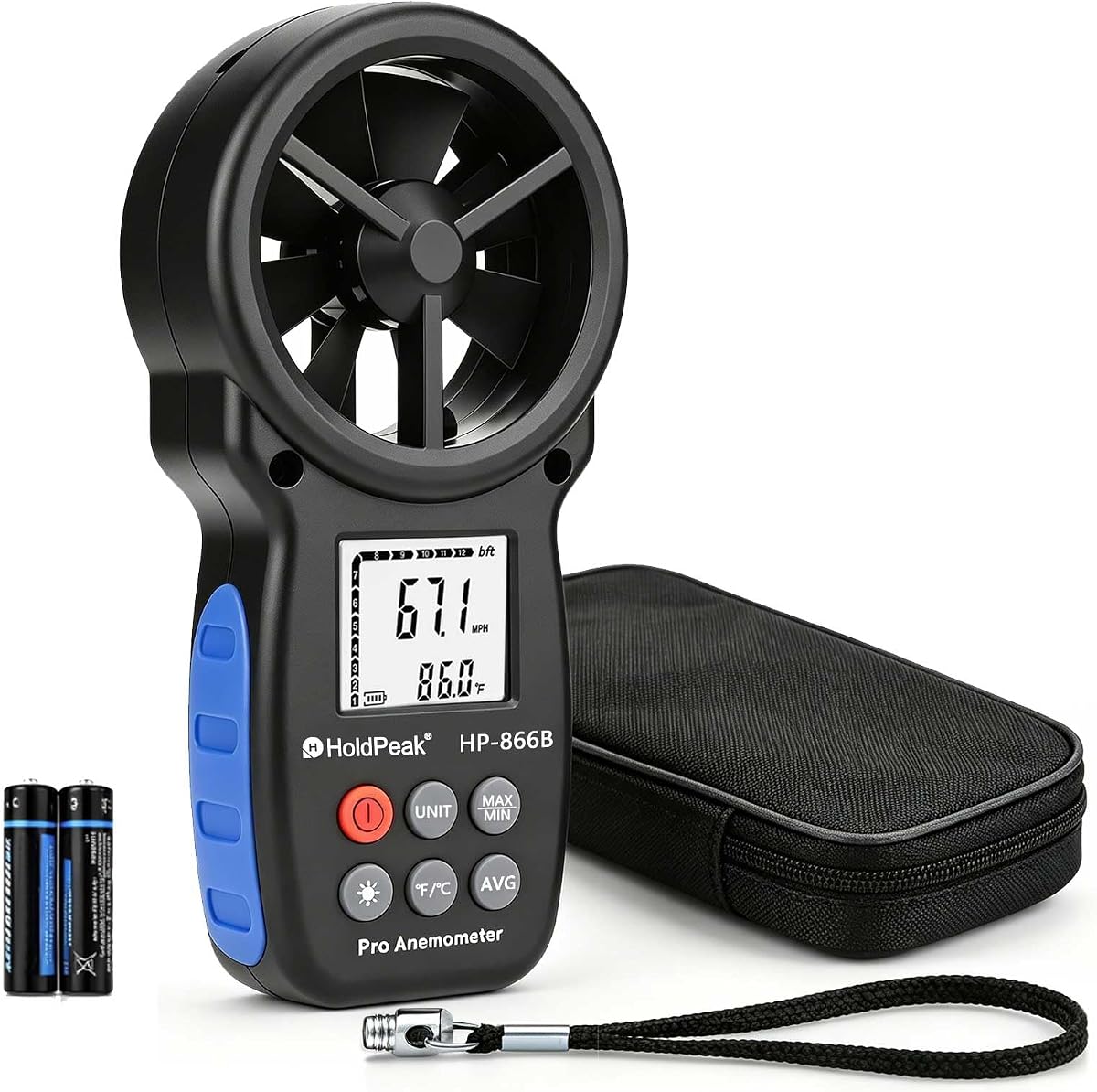
The HoldPeak 866B is a professional multifunctional anemometer suitable for various outdoor activities including boating. It features sensitive dual temp sensors and eight vanes for accurate wind speed detection. The device is highly rated at 4.5 stars for its reliability and ease of use.
We may earn a commission when you buy through this link, at no additional cost to you.
Its key strengths lie in the practical accessories like the waterproof carrying pouch and hand strap which prevent loss during active use. The Max Min Average wind speed functions help track changes over time. Unit switching between five options adds flexibility for international sailors.
The device requires manual operation without advanced data logging capabilities. It is not designed to be fully waterproof which limits its utility in rough seas. These trade-offs are acceptable for users who need a portable tool for short term wind assessment.
Outdoor enthusiasts and casual boaters will appreciate the balance of functionality and portability. It is ideal for sailing trips where precise but not permanent monitoring is required. We suggest it for those who value accessories and basic professional features.
The included hand strap and carrying pouch ensure your device stays secure and protected during movement.
Max Min and Average modes allow you to analyze wind patterns rather than just instantaneous readings.
We may earn a commission when you buy through this link, at no additional cost to you.
The Magnetic Mount Anemometer by Inspeed stands out as a premium choice for serious sailors requiring precise data. Rated 4.7 stars it is calibrated for high accuracy which is essential for competitive sailing or detailed weather tracking. Its magnetic mount design simplifies installation significantly.
We may earn a commission when you buy through this link, at no additional cost to you.
Key strengths include the calibrated sensor system that ensures trustworthy readings in marine environments. The magnetic mount allows quick attachment and removal without tools. This flexibility is invaluable when moving between different vessels or adjusting equipment placement frequently.
The device is priced higher than basic handhelds and requires a suitable magnetic surface for attachment. It may lack the extensive features of full electronic systems but excels in raw measurement accuracy. These constraints are acceptable for users prioritizing precision and convenience.
Competitive sailors and racing crews will find this anemometer a valuable asset. It delivers reliable wind data where accuracy directly impacts performance. We recommend it for those who need high precision without the bulk of complex marine instruments.
The magnetic mount allows you to attach the device securely in seconds without drilling or screws.
Factory calibration ensures the wind speed readings are trustworthy and consistent across different conditions.
We may earn a commission when you buy through this link, at no additional cost to you.
The Raymarine Instrument Wind I60 Display Only serves as a critical component for integrating wind data into a vessel system. It holds a 3.9 star rating reflecting its specialized role. This unit is designed to be paired with a compatible transducer for full functionality.
We may earn a commission when you buy through this link, at no additional cost to you.
Its strengths include compatibility with Raymarine's established marine networks ensuring seamless data display on the helm. The display offers high contrast graphics and text which remain visible in bright sunlight. It fits standard instrument panel cutouts for easy retrofitting.
The device is sold as a display only unit meaning users must purchase the masthead transducer separately. This can increase total cost and requires some technical knowledge for wiring. These limitations are expected for modular marine instrument systems.
Boat owners upgrading their existing instrumentation will find this display a logical addition. It provides reliable wind information when connected correctly. We recommend it for those already invested in the Raymarine ecosystem.
Works seamlessly with Raymarine transducers to provide accurate wind data on the dashboard.
The display is designed for readability in both bright daylight and dark night conditions.
We may earn a commission when you buy through this link, at no additional cost to you.
The TopTes TS-301 is a feature rich handheld anemometer ideal for diverse outdoor activities including sailing. Rated 4.6 stars it offers a large 2.26 inch LCD screen for easy reading of wind speed and other metrics. It includes humidity and temperature sensors for comprehensive environmental data.
We may earn a commission when you buy through this link, at no additional cost to you.
Key strengths include its six measuring units providing flexibility for different standards and preferences. The auto shut down feature conserves battery life when the device is not in use. Its compact size makes it easy to store in a pocket or small gear bag.
The device is not fully waterproof which limits use in heavy rain. Battery life can vary depending on screen usage and ambient conditions. These trade-offs are acceptable given the comprehensive sensor package and low price point.
Sailors and outdoor enthusiasts who need humidity data alongside wind speed will find this unit valuable. It balances functionality with portability effectively. We recommend it for general outdoor use where extreme water resistance is not critical.
Measures wind speed temperature and humidity in one compact device for complete weather awareness.
Auto shut down after non-use ensures the battery lasts longer between replacements.
We may earn a commission when you buy through this link, at no additional cost to you.
The Raymarine E28081 Weather and Bowls kit provides essential replacement parts for existing Raymarine weather stations. Rated 4.1 stars it is designed to fit ST50 ST60 and ST80 models. This kit ensures your wind monitoring system remains functional when components wear out.
We may earn a commission when you buy through this link, at no additional cost to you.
Its strengths include the inclusion of all necessary hardware like fixing screws and an Allen key for installation. It restores accuracy to old instruments without needing a complete system overhaul. This makes it cost effective compared to buying new units.
The product is not a standalone device and requires an existing compatible base unit to function. Installation may require some mechanical skill to align the vane correctly. These limitations are inherent to its role as a replacement component.
Boat owners with aging Raymarine systems will find this kit indispensable for maintenance. It extends the life of existing equipment effectively. We recommend it for those maintaining established marine instrumentation.
Includes vane counterweight speed plates and fixing screws for a full replacement installation.
Replaces worn out parts to ensure your weather station provides reliable data once more.
We may earn a commission when you buy through this link, at no additional cost to you.
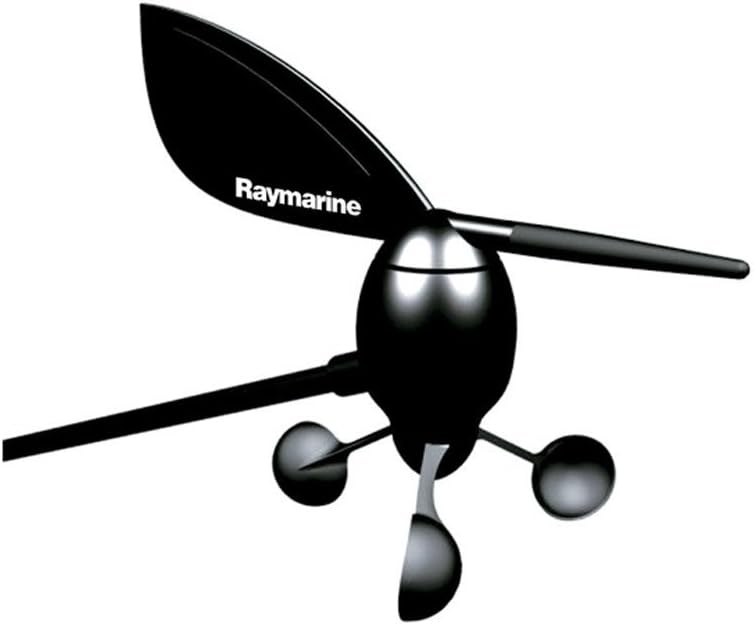
The RAYMARINE MASTHEAD ONLY WIND ARM VANE AND CUPS is the latest version of Raymarine's wind sensor. Rated 4.4 stars it provides the physical components necessary to capture wind speed and direction. This item includes the arm vane and cups but requires a separate base unit.
We may earn a commission when you buy through this link, at no additional cost to you.
Key strengths include its professional quality and durable materials designed to withstand marine conditions. The latest version ensures compatibility with current display units and systems. It is a critical component for accurate data transmission from the mast.
The unit must be installed on a vessel's mast which requires safety precautions and proper rigging. It does not include the display or processing electronics. These requirements are standard for masthead sensors but add to installation complexity.
Boat owners upgrading or replacing their masthead sensors will find this product reliable. It ensures high fidelity data collection for navigation. We recommend it for those needing a trusted sensor component.
The latest version ensures better signal processing and longevity in harsh marine environments.
Includes all physical parts needed for mounting on the mast and connecting to the base unit.
We may earn a commission when you buy through this link, at no additional cost to you.
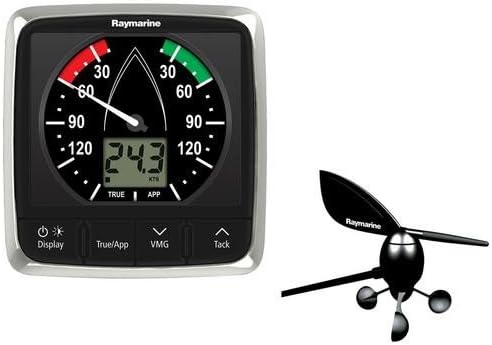
The Raymarine i60 Wind System with Masthead provides a complete professional wind monitoring solution. Rated 4.4 stars it includes the masthead transducer base and cable for seamless setup. This system delivers wind speed direction and other data in real time.
We may earn a commission when you buy through this link, at no additional cost to you.
Key strengths include the easy to read analog dial with nighttime red backlighting for visibility. It supports multiple data points like VMG and tack to assist in sailing strategy. Low power consumption ensures it does not drain vessel batteries quickly.
Installation requires running cables and mounting the unit which may be complex for DIYers. The cost is higher than standalone handheld units but justified by professional accuracy. These trade-offs are acceptable for serious sailors.
Yacht owners and racing crews will value the comprehensive data and reliability. It integrates well with existing marine electronics. We recommend it for those seeking a permanent professional wind solution.
Shows wind speed direction Beaufort max wind speed VMG and tack simultaneously.
Nighttime red backlighting and high contrast text ensure readability in low light.
We may earn a commission when you buy through this link, at no additional cost to you.
The Raymarine i60 Wind Display System is engineered to withstand the harshest marine conditions. It captures wind speed and direction from the masthead transducer and provides real-time updates. The display is highly customizable to suit user preferences.
We may earn a commission when you buy through this link, at no additional cost to you.
Key strengths include its robust design for trouble-free operation even with saltwater exposure. The customizable display allows sailors to prioritize the data fields they need most. Adjust backlighting ensures visibility day and night.
The system is expensive and requires installation expertise to ensure reliability. It is a significant investment compared to portable tools. These constraints are acceptable for vessels requiring permanent reliable instrumentation.
Serious sailors and long distance cruisers will benefit from its reliability. It offers unparalleled accuracy and ease of use. We recommend it for those investing in high quality marine electronics.
The transducer is built to withstand saltwater exposure and extreme weather conditions.
Choose various screen configurations and data fields to ensure important information is always available.
We may earn a commission when you buy through this link, at no additional cost to you.
The Mcbazel 3 in 1 Handheld Digital Anemometer offers versatile wind measurements at a budget price. Rated 4.5 stars it measures wind speed temperature and wind level using the Beaufort scale. This makes it suitable for general outdoor and indoor use.
We may earn a commission when you buy through this link, at no additional cost to you.
Key strengths include the double line LCD display which shows wind speed and temperature simultaneously. The backlight ensures readability in low light. It is lightweight and portable for easy carrying during fishing or sailing.
The device is basic and not designed for extreme conditions. Battery life depends on usage and batteries are not included. These trade-offs are acceptable for users needing an affordable versatile tool.
Casual sailors and anglers will find this device useful for quick checks. It balances features and cost well. We recommend it for those seeking a simple and affordable anemometer.
Shows wind speed temperature and Beaufort scale all at once for a complete wind snapshot.
Equipped with MAX MIN AVG functions and data hold capability for easy monitoring.
We may earn a commission when you buy through this link, at no additional cost to you.
Selecting the right marine anemometer requires evaluating accuracy durability and specific features that match your sailing needs. This guide outlines the critical factors to consider.
Accuracy is paramount for marine anemometers as wind data influences navigation and safety. Look for units that are calibrated or have a high reputation for precision. Professional systems often come with factory calibration ensuring reliable readings even in harsh conditions.
Always verify the accuracy percentage provided in the product specifications to ensure it meets your requirements.
Marine environments expose equipment to saltwater humidity and UV rays. Choose devices that are rated for outdoor or marine use to prevent corrosion and failure. Waterproof or water-resistant housings are essential for handheld units used on deck.
Investing in a durable device reduces maintenance costs and ensures long term reliability.
A clear and readable display is critical when checking wind data on the water. Look for backlit screens or high contrast text that can be seen in bright sunlight and darkness. Larger screens help in reading data quickly without straining your eyes.
Prioritize displays with adjustable brightness or backlighting for varied lighting conditions.
Different regions and applications require different wind speed units such as knots mph or meters per second. Ensure the device supports the units you need. Additional functions like wind chill temperature humidity and Beaufort scale can provide valuable context.
Choose a unit with versatile measurement options to suit diverse activities and reporting needs.
Decide whether you need a handheld portable unit or a fixed masthead system. Handheld devices are ideal for temporary checks or multiple boats while permanent systems provide continuous data. Mounting options such as tripods or magnetic mounts add flexibility.
Match the form factor to your typical usage patterns to maximize utility.
Long battery life is essential for extended trips away from shore. Check if the device uses standard batteries or rechargeable options. Auto power off features help conserve energy and prevent accidental drain.
Always carry spare batteries if relying on non-rechargeable power sources for critical monitoring.
For permanent installations ensure the anemometer is compatible with your existing marine electronics or network. Some units require specific display units or software to function properly. Compatibility ensures seamless integration and data sharing across your vessel.
Check product documentation to confirm system requirements before purchasing.
Balancing cost with features ensures you get value without overspending. While premium systems offer advanced features basic handhelds may suffice for casual use. Consider the total cost including mounting accessories or transducers.
Focus on features that directly impact your safety and efficiency rather than unnecessary extras.
To get accurate readings ensure the anemometer is positioned away from obstructions such as masts or sails that may block wind flow. For handheld units hold it steady at chest height facing into the wind for several seconds to stabilize readings. For permanent systems calibrate the unit according to the manufacturer's instructions during setup.
Regular maintenance is key to longevity especially in marine environments. Rinse the device with fresh water after exposure to saltwater to prevent corrosion. Inspect moving parts like vanes or cups for debris or damage and clean them gently with a soft brush.
Store your anemometer in a protective case when not in use to prevent scratches and drops. Keep it in a cool dry place to protect electronic components from moisture and extreme temperatures. Replace batteries promptly when the low battery indicator appears to avoid data loss.
Apparent wind is the wind you feel on the moving vessel while true wind is the actual wind blowing over the water. Professional marine anemometers calculate both by using vessel speed and direction data. This helps sailors optimize sail trim and navigation paths accurately.
Yes handheld anemometers are effective for casual sailing wind checks and temporary monitoring. They provide reliable wind speed data when held away from obstructions. However they do not offer continuous real-time updates like permanent masthead systems.
Rinse the device thoroughly with fresh water immediately after use in saltwater. Use a soft cloth to wipe down the casing and gently clean moving parts like vanes. Avoid high-pressure water or harsh chemicals that could damage sensors or electronics.
Knots are the standard unit for marine navigation and wind speed. Ensure your anemometer can display knots clearly. Many devices also offer conversions to mph or meters per second for versatility.
Yes permanent anemometers can be installed on small boats with proper mounting. Ensure the masthead or mounting point is structurally sound to withstand wind loads. Smaller systems are available for boats with limited space and lower power requirements.
Budget handheld anemometers typically have accuracy within 2% to 5% of readings. This is sufficient for recreational use but may not meet professional racing standards. Always check the specifications for accuracy percentages before purchasing.
Calibration ensures the device measures wind speed correctly over time and usage conditions. Exposure to extreme temperatures or impacts can affect sensor accuracy. Professional units may require periodic calibration to maintain precision.
The Beaufort scale measures wind force from 0 calm to 12 hurricane force based on observed conditions. Some anemometers display this scale to help sailors understand wind intensity quickly. It is a useful reference for assessing weather risks on water.
We have reviewed ten top marine anemometers ranging from budget handheld units to professional fixed systems. The BTMETER BT-100 offers excellent value for casual sailors while the Inspeed Magnetic Mount delivers precision for serious users. Raymarine's i60 systems provide comprehensive data for those needing full integration.
Prioritize accuracy and durability when choosing an anemometer for marine use. Consider your specific needs such as portability versus permanent monitoring and whether you require additional sensors like humidity. The right device can significantly enhance your sailing experience and safety.
Prices and availability for these products can change frequently. Always check current listings and reviews before making your purchase. Ensure the model you select meets your vessel requirements and budget constraints for optimal performance.