
8-Port 10G SFP+ Switch, Layer 3 Managed, Enterprise Network Fiber Switch
4.7Editor score
10Gbps SFP+ Ports
Fanless Silent Operation
Advanced L3 Routing
This guide compares the top Layer 3 Network Switch options for 2026, evaluating performance, port types, routing features, and build quality to help you choose.
Selecting the right Layer 3 Network Switch is critical for modern networks that need routing, segmentation, and high throughput. These devices go beyond simple connectivity to offer intelligent traffic management and improved security for your infrastructure.
We evaluated ten top-rated models based on port speeds, PoE capabilities, management interfaces, and routing protocols. Our analysis covers enterprise-grade units and advanced home lab solutions to ensure you find the best fit for your needs.
Each pick highlights key strengths, potential trade-offs, and ideal use cases. Please note that prices and availability change frequently, so verify current details before purchasing to ensure you get the best value for your budget.
4.7Editor score

4.7Editor score

4.7Editor score
This side-by-side comparison highlights the key specifications and capabilities of each switch to help you quickly identify which model aligns with your network architecture and performance requirements.

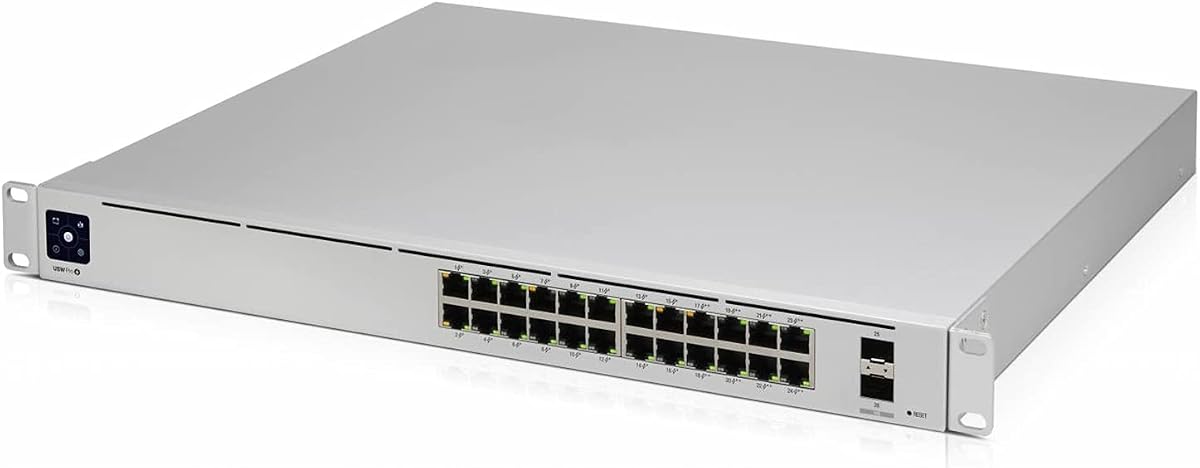




The Ubiquiti UniFi USW-PRO-24-POE is a standout Layer 3 Network Switch that combines performance with ease of use. With a 4.7 rating, it is widely praised for its reliable connectivity and advanced routing capabilities that simplify network segmentation.
We may earn a commission when you buy through this link, at no additional cost to you.
This switch excels in environments where visual management and deep control are required. The Layer 3 features allow for inter-VLAN routing directly on the switch, reducing load on your main router. PoE support ensures connected devices like APs and cameras stay powered without extra adapters.
While the cost is higher than generic alternatives, the ecosystem integration justifies the investment for many users. The UniFi Controller provides a unified dashboard for monitoring traffic and configuring security policies. Some users may find the reliance on the controller a slight limitation if they prefer standalone CLI access.
Ultimately, this model is ideal for small to medium businesses or serious home labs needing enterprise features. If you value seamless management and design, this switch delivers exceptional value. We recommend it for those building a cohesive UniFi network.
The UniFi ecosystem allows you to manage switches, access points, and security gateways from one interface, streamlining network administration tasks significantly.
PoE capabilities mean you can power IoT devices and wireless APs directly from the switch, reducing cable clutter and simplifying device placement.
We may earn a commission when you buy through this link, at no additional cost to you.
The MokerLink 8 Port 10G Managed Ethernet Switch brings high-speed connectivity to networks needing throughput without breaking the bank. Its 4.3 rating reflects solid performance for users upgrading from 1G limits. The switch handles auto-adaptive rates efficiently across its ports.
We may earn a commission when you buy through this link, at no additional cost to you.
Layer 3 routing capabilities are key here, allowing you to manage IPv4 and IPv6 routes, VLANs, and ACLs via a web interface or CLI. This flexibility makes it suitable for small businesses or power users managing complex traffic flows. The metal chassis ensures durability and heat dissipation.
However, the active cooling fan can generate noticeable noise in quiet spaces. Users should place this unit in a well-ventilated area. The management interface offers powerful tools but may take time to master for those new to CLI configurations.
For those needing 10G connectivity at a lower price point, this switch is a strong contender. It balances performance and features effectively. We suggest it for users prioritizing raw port speed and routing flexibility over silent operation.
Ports adapt to 10G, 5G, 2.5G, or 1G speeds automatically, ensuring backward compatibility with older devices while maximizing modern device throughput.
Built-in security protocols like DoS anti-attack and ARP inspection protect your network from common threats, maintaining integrity across connected segments.
We may earn a commission when you buy through this link, at no additional cost to you.
The Ubiquiti USW-Pro-24 without PoE is a focused solution for networks needing robust routing and Gigabit throughput without power delivery requirements. It scores well with a 4.4 rating due to its seamless integration with the UniFi ecosystem and solid build quality.
We may earn a commission when you buy through this link, at no additional cost to you.
This switch is designed for data-heavy environments where routing efficiency is paramount. It supports optical fiber media for long-distance or high-bandwidth uplinks, making it versatile for server rooms or inter-building connections. The internal power supply ensures stable voltage across all components.
While it lacks PoE, which lowers the cost and power consumption, it still delivers 10x faster connectivity than standard Ethernet for server needs. Users not needing to power cameras or APs through the switch will appreciate this streamlined design. It maintains the same premium feel as the PoE version.
We recommend this model for users who have separate power injectors or devices that do not require PoE. It offers enterprise-grade routing in a compact rack-mount unit. This is a smart choice for optimizing network segments without unnecessary overhead.
Support for optical fiber allows for reliable long-range connections or high-bandwidth uplinks, ideal for connecting distant servers or network segments.
This switch works perfectly with the UniFi Controller, offering a unified interface to manage all your network devices and visualize traffic patterns.
We may earn a commission when you buy through this link, at no additional cost to you.
This 10-Port 2.5G PoE++ Switch is engineered for high-performance environments requiring advanced power delivery and routing. With a 4.6 rating, it stands out for its ability to handle power-hungry devices like Wi-Fi 7 access points while providing robust Layer 3 management.
We may earn a commission when you buy through this link, at no additional cost to you.
The switch offers 2.5G RJ45 ports that bridge the gap between Gigabit and 10G, ensuring fast file transfers for NAS and workstations. PoE++ ports deliver up to 90W per port, supporting demanding devices without external power adapters. Uplinks via SFP+ ensure backbone capacity remains uncapped.
Management is handled through both web UI and CLI, supporting protocols like OSPF v2 and Static Routing. This makes it suitable for IT professionals needing granular control. The rugged metal housing ensures durability, though the active fan may generate some noise under heavy load.
For creative studios or tech enthusiasts needing future-proofing, this switch is an excellent choice. It balances speed and power delivery effectively. We suggest it for users prioritizing device power and multi-gigabit throughput in an enterprise-grade package.
With 2.5G ports and 10G uplinks, this switch accommodates next-gen devices that exceed Gigabit limits without requiring a full network overhaul.
PoE++ support delivers significant wattage to connected devices, ensuring reliable operation of high-power APs and cameras across the network.
We may earn a commission when you buy through this link, at no additional cost to you.
The MikroTik CRS312-4C+8XG-RM is a formidable Layer 3 Network Switch designed for users who demand high levels of control and routing capability. Its 4.3 rating reflects its power but also the complexity of its software environment. It is a favorite among network engineers.
We may earn a commission when you buy through this link, at no additional cost to you.
This switch delivers substantial throughput with 10G ports, enabling fast data transfers across your network. The Layer 3 features are deep, allowing complex routing tables and traffic shaping. It is housed in a 1U rack unit, making it space-efficient for server racks.
However, mastering the RouterOS interface takes time and effort. Users accustomed to simpler interfaces may find the learning curve steep. Despite this, the flexibility allows for highly tailored network setups that other consumer switches cannot match easily.
For advanced users or small data centers needing raw power and routing flexibility, this switch is ideal. It requires dedication to configure fully but rewards with performance. We recommend it for technical professionals willing to invest in learning its nuances.
RouterOS provides extensive tools for traffic shaping, firewall rules, and routing protocols, giving you deep control over network behavior.
Multiple 10G ports ensure that bottlenecks are minimized, allowing for fast data exchange between servers and workstations.
We may earn a commission when you buy through this link, at no additional cost to you.
The MikroTik CRS317-1G-16S+RM focuses on optical connectivity with 16 SFP+ ports, making it a specialized choice for fiber-heavy networks. It holds a 4.4 rating for its reliability and robust Layer 3 management features suited for managed environments.
We may earn a commission when you buy through this link, at no additional cost to you.
This switch is ideal for connecting servers or switches over fiber distances, leveraging high bandwidth and signal integrity. The L3 management allows for VLANs and routing configurations through standard protocols. It fits neatly into a 1U rack space, supporting professional installation.
Because it lacks copper ports, additional transceivers or patch cables are needed for connectivity. This adds complexity and cost compared to hybrid switches. However, for pure fiber backbones, it offers excellent value and performance stability.
We recommend this for network administrators building fiber infrastructure who need managed routing options. It provides professional-grade control over optical traffic. Ensure you have compatible optics before purchase to streamline deployment.
With 16 SFP+ ports, this switch excels in environments relying on optical fiber for long-distance and high-bandwidth network connections.
Layer 3 capabilities allow for efficient routing and segmentation, keeping network traffic optimized and secure across different VLANs.
We may earn a commission when you buy through this link, at no additional cost to you.
The Ubiquiti UniFi Switch PRO 48 is built for larger deployments needing extensive port availability. With a 3.7 rating, it offers massive connectivity and routing features, but users may encounter occasional feedback regarding performance consistency. It remains a viable option for specific enterprise needs.
We may earn a commission when you buy through this link, at no additional cost to you.
This unit delivers 48 Gigabit ports alongside 4 x 10G SFP+ uplinks, providing ample bandwidth for high-density environments. The Layer 3 features allow for routing VLANs and managing traffic flows without external routers. The built-in touchscreen adds a convenient visual status overview.
Power consumption can be a consideration with such a large number of ports active. Some users report variability in reliability over long periods. However, the ecosystem benefits and UniFi management interface remain strong selling points for those invested in the platform.
For organizations requiring high port counts within the UniFi ecosystem, this switch is functional. Ensure you monitor power and cooling needs in your rack setup. We suggest it for users who prioritize port density and UniFi compatibility above all else.
With 48 Gigabit ports, this switch supports large-scale connections, reducing the need for multiple smaller switches in busy offices.
The built-in touchscreen display provides quick access to system status and port health, simplifying on-site maintenance tasks.
We may earn a commission when you buy through this link, at no additional cost to you.
This 8-Port 10G SFP+ Switch is a top value pick for those needing Layer 3 routing at a low price point. Its 4.7 rating reflects its high performance and reliability. It is ideal for home labs or small studios needing fast fiber connections.
We may earn a commission when you buy through this link, at no additional cost to you.
The switch delivers 160Gbps switching capacity across 8 SFP+ ports, ensuring lag-free transfers for 8K video or large datasets. Layer 3 management supports OSPF v2 and Static Routing, allowing for advanced segmentation. The fanless design ensures silent operation, perfect for quiet spaces.
While port count is limited, the speed and routing features are premium. You must ensure transceivers match the global rate mode to avoid disconnection. This minor setup step is outweighed by the cost savings and performance gains.
We recommend this for budget-conscious professionals needing 10G routing. It delivers high-end features without the enterprise price tag. Choose this if silent operation and raw speed are your top priorities.
A fanless chassis ensures completely silent operation, making it suitable for noise-sensitive environments like home offices or creative studios.
Support for OSPF and RIP v1/v2 enables dynamic routing and inter-VLAN routing, offloading work from your primary router.
We may earn a commission when you buy through this link, at no additional cost to you.
The Ubiquiti Pro Max 16-Port Switch brings 2.5G speeds to the popular UniFi ecosystem. With a 4.5 rating, it is praised for its high throughput and reliability. It is a great choice for users upgrading their network to meet modern speed demands.
We may earn a commission when you buy through this link, at no additional cost to you.
This managed switch allows for Layer 3 routing and traffic management through the UniFi Controller. The 2.5G ports significantly boost transfer speeds for compatible devices like NAS systems and modern laptops. It fits well in both desktop and rack setups.
While more expensive than basic switches, the future-proofing is valuable. The UniFi ecosystem dependency means you need to be comfortable with their management software. This is acceptable given the seamless integration with other UniFi devices.
For home labs or small businesses adopting UniFi, this switch offers a balanced upgrade path. It delivers the necessary speed for next-gen devices. We recommend it for users who value the UniFi interface and multi-gigabit performance.
2.5G ports provide a substantial upgrade over Gigabit, ensuring your network keeps pace with faster internal storage and devices.
Seamless integration with other UniFi hardware means you can manage your entire network from one intuitive dashboard.
We may earn a commission when you buy through this link, at no additional cost to you.
The Ubiquiti USW-Pro-Max-16-PoE combines power, performance, and smart design. With a 4.7 rating, it is a premium Layer 3 Network Switch ideal for high-end setups. The Etherlighting feature adds a unique visual touch to port status and speed.
We may earn a commission when you buy through this link, at no additional cost to you.
This switch delivers 180W PoE availability with mixed 2.5G and 10G ports, ensuring powerful connectivity and device support. The fanless cooling system keeps it quiet even under load. Management integrates fully with the UniFi Controller for seamless oversight.
While expensive, the mix of speed, power, and usability justifies the cost for professionals. The visual indicators simplify troubleshooting and maintenance. Those not needing the full UniFi ecosystem might find alternatives better suited to their budget.
For users seeking the best integration of style and tech, this switch stands out. It simplifies network monitoring through light indicators. We recommend it for those who want top-tier features and UniFi benefits.
Ports light up to indicate status, speed, and VLAN, making network mapping and troubleshooting intuitive and visually clear.
180W PoE budget ensures you can power a range of devices, including high-demand APs, without additional power sources.
We may earn a commission when you buy through this link, at no additional cost to you.
Choosing the right Layer 3 Network Switch involves balancing port counts, speeds, routing features, and power delivery needs. Consider these factors to align with your current and future infrastructure.
Determine how many devices need connectivity and at what speeds. For modern setups, look for 2.5G or 10G ports to avoid bottlenecks. Ensure the switch has enough ports to avoid needing daisy-chaining.
Prioritize multi-gigabit ports if you use NAS or high-performance workstations to ensure fast data transfers.
Layer 3 switches handle inter-VLAN routing, reducing load on your main router. Check for supported protocols like OSPF or Static Routing to manage traffic effectively across segments.
Select a switch with robust routing capabilities to maintain network segmentation and performance.
If you connect cameras or access points, ensure the switch supports PoE or PoE++. Verify the total wattage budget to avoid under-powering your devices.
Choose a PoE switch if you need to simplify cabling and power for network endpoints.
Decide between web, CLI, or centralized OS management. Some users prefer intuitive web UIs while others need CLI for deep control.
Pick an interface that matches your technical skill and management preferences for ease of use.
Fanless designs are ideal for quiet spaces but may throttle under heavy load. Fan-cooled models offer better thermal management for enterprise environments.
Select a cooling solution that balances silence and performance based on your room requirements.
Metal casings offer better durability and heat dissipation. Ensure the unit supports desk, wall, or rack mounting as needed for your space.
Invest in a durable model that fits your physical installation environment to ensure reliability.
If you use a specific system like UniFi, choose a switch that integrates seamlessly. This simplifies monitoring and configuration across devices.
Stick with compatible ecosystems to streamline network management tasks.
Look for built-in security options like port security, ACLs, and loop detection to protect against threats.
Ensure the switch offers robust security measures to safeguard your network infrastructure.
Connect your devices securely using quality cables or fiber optics. Configure VLANs and IP settings via the web interface or CLI to segment traffic effectively.
Regularly update firmware to ensure security patches are applied. Monitor traffic loads and temperature to prevent overheating or performance bottlenecks.
Keep the unit in a well-ventilated area and avoid dust buildup. Check connections periodically to maintain stable network performance and prevent downtime.
A Layer 3 Network Switch routes data packets between different VLANs or subnets using IP addresses. Unlike Layer 2 switches that only handle MAC addresses, this adds routing capabilities directly to the switch. This reduces load on your main router and improves network efficiency.
For typical home use, a Layer 2 switch often suffices. However, if you run a complex home lab with multiple VLANs or NAS setups, Layer 3 routing offers better traffic control. It can also offload routing tasks from your main router for improved speed.
Power over Ethernet (PoE) allows the switch to send power and data over a single cable to devices like cameras or APs. This simplifies installation by removing the need for extra power adapters. It ensures your devices stay powered without complex wiring.
10G ports provide significantly faster data transfer speeds than standard Gigabit ports. This is ideal for transferring large files or backing up data quickly. If you have 10G-capable workstations or storage, these ports prevent bandwidth bottlenecks.
Most Layer 3 switches support web interfaces or CLI access over SSH for remote management. Some even allow control via cloud dashboards. Ensure your network configuration allows remote access securely if you manage from outside your local network.
Efficient cooling prevents the switch from overheating, which can cause slowdowns or hardware damage. Fans or fanless designs ensure the unit stays cool under load. Proper ventilation is crucial to maintain consistent performance and hardware life.
We highlighted ten Layer 3 Network Switch options ranging from budget-friendly to premium models. Each offers distinct strengths in routing, power, and port capabilities to match varying needs.
Prioritize speed, PoE, and management tools that align with your network goals. A well-chosen switch improves efficiency and stability for your infrastructure.
Always verify current prices and availability before purchasing to secure the best deal. Your network deserves reliable hardware that grows with your requirements.