
Windows 11 Laptop with i3 Processor 15.6" Work Laptop for College Students
4.5Editor score
12GB RAM for multitasking
15.6-inch Full HD display
Fast WiFi 6 connectivity
Engineering students require reliable machines capable of handling complex simulations, coding environments, and CAD software without breaking the bank. Choosing the right device means balancing processing power with portability for campus life.
We evaluated ten distinct models based on processor efficiency, memory capacity, display quality, and battery endurance to find the most suitable options for your academic journey.
Each pick highlights key strengths and trade-offs to help you decide which machine fits your specific major and budget needs before prices shift again soon.
4.5Editor score

4.6Editor score

4.6Editor score
As an Amazon Associate we earn from qualifying purchases.
The following table provides a side-by-side overview of the essential specifications for all ten selected laptops to help you compare performance and features quickly.


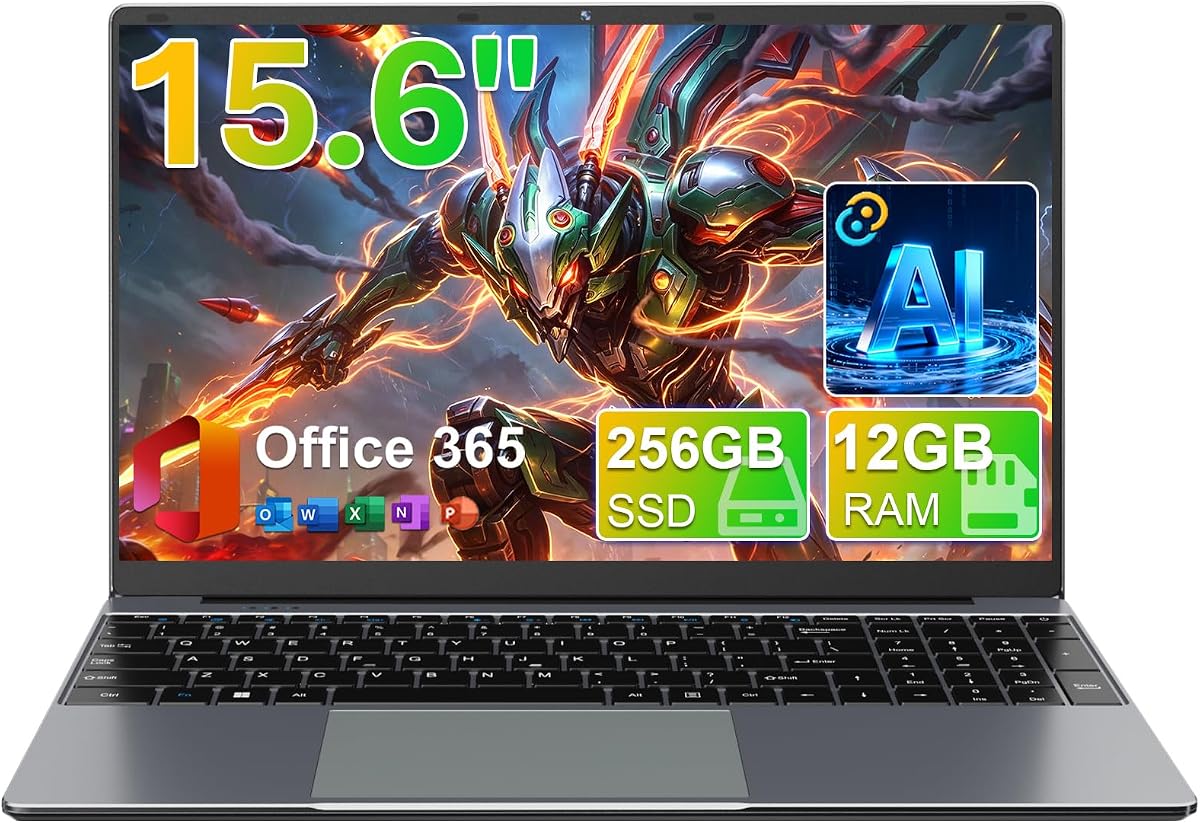


This affordable laptop offers solid entry-level performance for engineering students on a strict budget. With a 4.5 star rating, it balances cost with essential features like ample RAM and a crisp display.
We may earn a commission when you buy through this link, at no additional cost to you.
The Intel Core i3 processor paired with 12GB of RAM ensures smooth multitasking across multiple browser tabs and documentation tools. Its 15.6-inch Full HD screen provides adequate space for viewing schematics or code.
While it lacks a dedicated graphics card, it handles standard CAD viewers and simulations designed for lower-end systems. The only real trade-off is storage, but the expandable TF card slot mitigates this for file-heavy projects.
It is the best choice for freshmen needing a reliable machine for core classes without overspending. If your coursework does not demand heavy rendering, this laptop delivers excellent value.
The 12GB of RAM allows you to keep engineering software open alongside research papers and communication apps without lag.
Weighing just 3.6 pounds, it slips easily into a backpack for daily commutes across campus.
We may earn a commission when you buy through this link, at no additional cost to you.
This HP model strikes a great balance between portability and productivity for students moving between labs and lectures. Its 11-hour battery ensures you rarely need to hunt for an outlet during long study sessions.
We may earn a commission when you buy through this link, at no additional cost to you.
The Intel N150 processor provides reliable performance for standard tasks like coding in lightweight IDEs or managing spreadsheets. The included Office 365 subscription saves money on software licenses for your first year.
However, the 14-inch display might feel cramped for complex layouts or split-screen coding. Additionally, the 128GB storage will require external drives for large project files or datasets.
Choose this if portability is your top priority and you manage files via cloud storage. It is an excellent companion for students who value long battery life above screen real estate.
The included Office 365 gives you immediate access to Word and Excel for all your lab reports and assignments.
With up to 11 hours of battery life, you can attend back-to-back classes without carrying a charger.
We may earn a commission when you buy through this link, at no additional cost to you.
This unique HP Stream variant solves the common storage bottleneck by offering a total of 1.06TB including a docking station. For engineering students hoarding datasets and videos, this volume is hard to beat.
We may earn a commission when you buy through this link, at no additional cost to you.
The 16GB RAM supports heavy multitasking, allowing you to run multiple virtual machines or browser tabs smoothly. It runs Windows 11 and includes the full Office suite, making it a complete productivity package.
Performance is limited by the Celeron processor, which may struggle with complex simulations. The HD display is also less sharp than FHD screens found on pricier models.
It is ideal for students needing massive storage for archives rather than heavy processing power. If you rely on cloud computing or lighter software, this laptop offers incredible storage value.
The included 1TB docking station provides ample room for storing large project files and backups.
You save extra money with the included 1-year Office 365 subscription pre-installed on the device.
We may earn a commission when you buy through this link, at no additional cost to you.
This essential HP model focuses on providing a reliable baseline for students who need basic computing without distractions. The modern Windows 11 interface and Copilot features streamline your workflow effectively.
We may earn a commission when you buy through this link, at no additional cost to you.
Battery life is impressive, offering up to 11 hours of video playback which translates well to study sessions. The micro-edge display reduces bezels, giving you a slightly more immersive view for reading.
However, the 4GB RAM and 128GB storage are limiting for modern engineering software. It is best suited for note-taking and web browsing rather than running local development environments.
Select this for a secondary device or if you primarily use cloud-based tools. It ensures you stay connected and productive without the bulk of a heavy workstation.
Microsoft Copilot is integrated directly into the system, helping you draft emails or summarize research quickly.
Wi-Fi 6 ensures fast and stable internet connections in crowded campus environments like libraries.
We may earn a commission when you buy through this link, at no additional cost to you.
This laptop stands out with a hinge that opens flat to 180 degrees, allowing for versatile presentation modes in group study sessions. The IPS panel ensures better color accuracy and viewing angles for media consumption.
We may earn a commission when you buy through this link, at no additional cost to you.
With 12GB of RAM, it manages multiple applications well, even if the processor is older. The AI Assistant helps streamline tasks like writing summaries or managing meeting notes efficiently.
The main limitation is the older Celeron processor which may not support heavy compilation tasks. But for general coursework, reading, and light design, it remains a competent tool.
It is perfect for collaborative work due to the screen flexibility. If you often present ideas to peers, this hinge design offers a distinct advantage over standard laptops.
The 180-degree hinge lets you flip the screen flat for easy sharing during group discussions.
The IPS panel delivers consistent colors and sharp details even when viewed from the side.
We may earn a commission when you buy through this link, at no additional cost to you.
This business-oriented HP model features robust communication tools like dual array microphones for clear calls. It is designed to keep you productive with AI tools and office software out of the box.
We may earn a commission when you buy through this link, at no additional cost to you.
The lightweight design makes it easy to carry around campus all day. While the RAM is modest, the fast UFS storage ensures the system boots up quickly for classes.
For engineering software requiring heavy resources, it may struggle. It is best used for communication, note-taking, and managing your academic schedule rather than running simulations.
It serves well as a lightweight companion for remote learning and virtual meetings. If your work relies heavily on collaboration tools, this model supports that workflow effectively.
Dual-array digital microphones filter out background noise for clear communication during virtual classes.
High-speed UFS storage ensures that applications launch quickly when you need to start working immediately.
We may earn a commission when you buy through this link, at no additional cost to you.
This Lenovo laptop is the clear leader for serious engineering work, offering a powerful i7 processor and massive memory. Its 4.6 star rating reflects its ability to handle demanding CAD and simulation tasks effortlessly.
We may earn a commission when you buy through this link, at no additional cost to you.
The 24GB of RAM allows you to run VirtualBox, MATLAB, and multiple browsers simultaneously without lag. The 1TB NVMe SSD ensures your projects load quickly and you have room for large libraries.
Durability is enhanced by MIL-STD testing, making it resistant to the bumps of student life. The only trade-off is the higher cost, but the performance justifies it for your entire degree.
It is the best choice for students needing a primary machine for complex coursework. If you want a laptop that will last you through graduation, this is the top recommendation.
The 10-core processor handles complex simulations and rendering faster than standard consumer laptops.
Military-grade testing ensures the device can withstand drops and harsh conditions common in labs.
We may earn a commission when you buy through this link, at no additional cost to you.
This HP notebook combines a sleek profile with essential productivity tools for students working from home. The AI noise reduction technology is a standout feature for anyone recording lectures or attending calls in noisy environments.
We may earn a commission when you buy through this link, at no additional cost to you.
The full-size keyboard makes typing long reports comfortable. Despite the modest specs, it remains responsive for daily tasks like writing essays and managing emails.
It may not handle heavy engineering software locally, but it is fine for cloud-based work. If you already have access to a desktop for heavy lifting, this is a great portable companion.
It suits students looking for a comfortable typing experience and long battery life. It balances affordability with a professional look that fits any study setting.
AI Noise Reduction filters background chatter so your voice is clear during online meetings.
The full-size keyboard with natural silver finish provides a spacious area for quick data entry.
We may earn a commission when you buy through this link, at no additional cost to you.
This Dell model offers a step up in performance with an Intel Core i5 processor and a comfortable FHD screen. It is designed to be a reliable tool for daily academic work and media consumption.
We may earn a commission when you buy through this link, at no additional cost to you.
The ComfortView software reduces blue light, making it easier to read documents late at night. Dell Onsite Service adds peace of mind by bringing repair support directly to you if issues arise.
While it lacks the extreme power of high-end workstations, it handles most standard engineering software competently. It is a balanced choice for those who want better speed without the premium price.
It is well-suited for students needing a balance of performance and protection. The onsite warranty ensures you can stay productive even if your machine needs repairs.
Dell ComfortView reduces harmful blue light to keep your eyes comfortable during long study sessions.
One year of onsite service means technicians come to you to fix hardware issues quickly.
We may earn a commission when you buy through this link, at no additional cost to you.
This premium HP model offers a massive 17.3-inch screen that provides ample workspace for multitasking and detailed work. Its 4.6 star rating highlights its robust build and high-quality components.
We may earn a commission when you buy through this link, at no additional cost to you.
The dedicated Copilot AI Key gives quick access to assistance for drafting emails or managing research workflows. Windows 11 Pro provides enhanced security features suitable for protecting sensitive student data.
The main drawback is size and weight, making it less ideal for daily transport. But if you use a laptop mostly on a desk, this screen size is unmatched for productivity.
It is the best choice for students who prefer a desktop-like experience on a laptop. If you need a large display for split-screen work, this model offers a premium solution.
The dedicated Copilot AI Key allows instant access to smart assistance for productivity tasks.
The 17.3-inch screen lets you view multiple documents or code windows side-by-side easily.
We may earn a commission when you buy through this link, at no additional cost to you.
Selecting the right laptop involves balancing processor speed, memory, and storage to ensure your device can handle demanding engineering applications.
For engineering software like CAD and simulations, a multi-core processor like an Intel Core i7 or AMD Ryzen 5 is essential for smooth operation.
Prioritize processors with high clock speeds and multiple threads to ensure your tasks complete efficiently.
Engineering applications often consume large amounts of RAM; aim for at least 16GB to handle multitasking without slowdowns.
More memory allows you to run virtual machines and heavy programs simultaneously without crashing your system.
Solid State Drives (SSDs) are critical for fast boot times and file access; 512GB or more is recommended for large datasets.
Ensure the laptop has expandable storage options if your projects require significant space over time.
A Full HD display with good color accuracy helps reduce eye strain during long coding sessions or viewing technical drawings.
Larger screens offer better productivity but reduce portability; find a balance based on your transport needs.
As a student, you will likely carry your laptop daily so look for models under 4 pounds to avoid strain.
Lighter devices are easier to use in various locations like lecture halls or coffee shops.
Long battery life ensures you can work through full days of classes without hunting for power outlets.
Look for models promising 8 hours or more of real-world usage to stay productive on campus.
Multiple USB ports and HDMI allow you to connect external monitors and peripherals for a better workspace.
Ensure Wi-Fi 6 support is included for fast and stable internet connectivity in crowded areas.
A sturdy build with military-grade certification ensures your device survives daily drops and transport.
Check for quality keypads and hinges to maintain comfort and functionality over years of use.
Keep your device clean by wiping the screen and keyboard with a microfiber cloth regularly to prevent dust from affecting performance.
Update your drivers and operating system frequently to ensure compatibility with the latest engineering software versions.
Avoid leaving your laptop in extreme temperatures like a hot car to prevent battery damage and internal component issues.
While some advanced CAD work benefits from a dedicated GPU, many standard engineering tasks run well on integrated graphics. Prioritize RAM and CPU power before investing in a graphics card unless specifically required by your major.
Yes, 16GB is generally sufficient for most undergraduate engineering tasks like running MATLAB or basic CAD. However, 24GB or more offers future-proofing if you plan on heavy virtualization or complex simulations.
At least 512GB of SSD storage is recommended to store large project files and software installations. If you choose less, ensure the laptop has an SD card slot or USB expansion capability.
If you work mostly at a desk, a larger screen improves productivity. If you commute frequently, a lighter model reduces physical strain; consider docking your light laptop to an external monitor at home.
Windows 11 Home is sufficient for most coursework and basic engineering tools. Pro offers extra security and networking features which may be useful for managing data securely but are rarely required.
Chromebooks are generally not recommended for engineering software that requires native Windows or Linux applications. Stick to full-featured laptops with Windows or Linux compatibility for your major requirements.
Our top picks cover a range of needs from budget-friendly options to high-performance workstations that can handle complex engineering tasks.
Prioritize memory and processor speed to ensure your device remains capable as your coursework becomes more demanding in higher years.
Always check current pricing and availability before purchasing as deals can change quickly and influence your final decision.