
HP OmniBook 7 AI Laptop
4.3Editor score
16 inch 2K OLED Display
Intel Core 9 270H
32GB DDR5 RAM
Interior designers rely on powerful machines to render 3D models, manage large files, and present visuals to clients. A great laptop combines speed, color accuracy, and durability to support demanding creative workflows efficiently.
We evaluated ten top contenders based on processor power, graphics capabilities, screen quality, and build standards. Each model was chosen to meet the specific needs of professionals working with CAD, rendering, and design software daily.
Every pick highlights unique strengths, from high-end workstations to portable options. Prices and availability change frequently, so verify current details before purchasing to ensure you get the best value for your design needs.
4.3Editor score

4.4Editor score

4.1Editor score
As an Amazon Associate we earn from qualifying purchases.
This side-by-side comparison highlights key specifications across all ten selected laptops, helping you identify which model offers the right balance of power and portability for your design projects.




The Dell Precision 7680 stands out as a top choice for interior designers needing robust performance. With a rating of 4.4 stars, it delivers exceptional speed for complex design tasks.
We may earn a commission when you buy through this link, at no additional cost to you.
Its Intel i9-13950HX processor and 32GB DDR5 RAM ensure smooth multitasking across CAD software, rendering tools, and design suites. The ISV certifications guarantee compatibility with professional applications like AutoCAD and Revit.
While it is priced higher than standard laptops, the workstation-grade durability and expandability justify the cost. The anti-glare display supports external monitors for flexible multi-screen setups in studios.
Ideal for professionals handling large 3D models or simulations, this laptop ensures efficiency. Its enterprise-grade security and Wi-Fi 6E connectivity keep workflows secure and fast.
Built for demanding workloads, the 7680 handles rendering and simulation with ease. Its scalable architecture allows for future upgrades.
With Thunderbolt 4 and multiple USB ports, connecting peripherals like drawing tablets is seamless. Supports up to three external monitors at 4K resolution.
We may earn a commission when you buy through this link, at no additional cost to you.
The HP ZBook 8 G1i brings premium performance for serious designers and engineers. Its unique 4.1 rating reflects its specialized build quality and high-end features tailored for professional use.
We may earn a commission when you buy through this link, at no additional cost to you.
Equipped with 64GB DDR5 RAM and an NVIDIA RTX 500 Ada GPU, it handles intensive 3D rendering and AI development smoothly. The 2TB SSD provides ample space for large project files.
Trade-offs include a higher price tag and added weight from the touchscreen. However, the enterprise security and multi-display support make it ideal for collaborative studio environments.
This machine is perfect for designers who need desktop-level power on the go. Its ISV certifications ensure reliability across various professional applications.
The RTX 500 Ada GPU accelerates graphics-intensive tasks. AI features enhance productivity in modern design workflows.
Wi-Fi 7 offers ultra-fast wireless speeds. BitLocker and remote desktop features secure sensitive client data effectively.
We may earn a commission when you buy through this link, at no additional cost to you.
The HP OmniBook 7 offers an impressive balance of performance and value for interior designers. With a 4.3 rating, it provides a vibrant 2K OLED display ideal for color-critical work.
We may earn a commission when you buy through this link, at no additional cost to you.
Its Intel Core 9 270H processor and 32GB DDR5 RAM handle everyday design tasks smoothly. The 120Hz refresh rate ensures fluid visuals during presentations and video calls.
Integrated graphics may limit heavy 3D rendering, but it excels at 2D drafting and portfolio management. The OLED panel delivers accurate colors for client approvals.
Best for designers on a budget who prioritize display quality. It supports modern AI features for enhanced productivity without a high price tag.
The 2K OLED screen offers 100% DCI-P3 coverage. HDR support enhances visual clarity in design presentations.
Built with AI experiences for efficient workflows. Helps streamline tasks and improve collaboration on projects.
We may earn a commission when you buy through this link, at no additional cost to you.
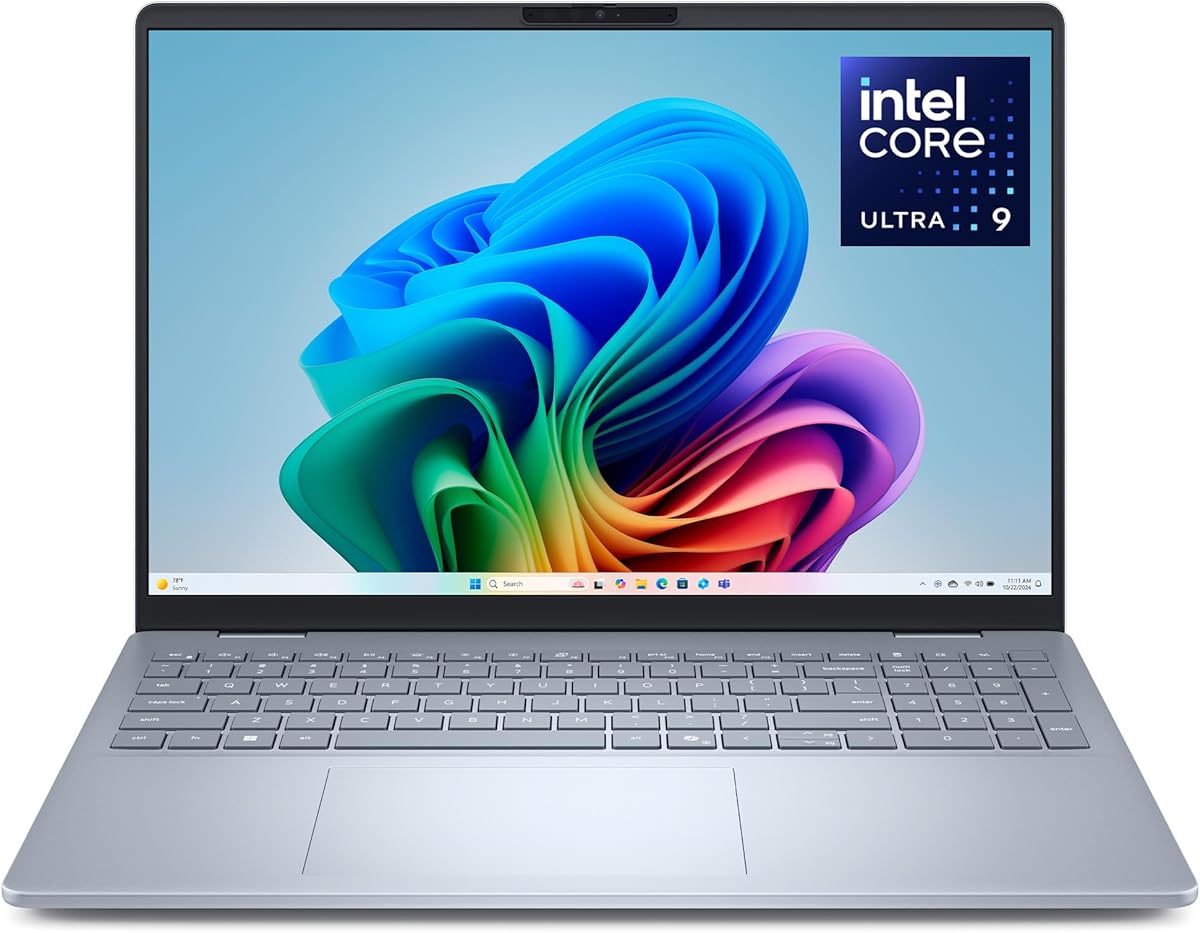
The Dell 16 Plus is engineered for creators needing AI capabilities and efficiency. Its 4.3 rating highlights reliability for daily design work and multitasking.
We may earn a commission when you buy through this link, at no additional cost to you.
Powered by Intel Core Ultra 9, it delivers smooth performance for data sheets and design windows. The QHD+ screen provides crisp visuals for detailed work.
While not a workstation, it handles lightweight rendering well. The military-grade testing ensures durability in busy offices and travel scenarios.
Ideal for designers who prioritize portability and AI features. It supports Windows Hello for secure, quick access to design files.
Built for latest AI experiences. Enhances workflow speed and reduces load times in software.
16:10 aspect ratio maximizes workspace. Side-by-side windows help manage multiple projects efficiently.
We may earn a commission when you buy through this link, at no additional cost to you.
The Dell Precision 7680 i5 variant offers solid workstation capabilities at a mid-tier cost. Its 4.3 rating reflects reliability for architecture and design workflows.
We may earn a commission when you buy through this link, at no additional cost to you.
Equipped with an RTX 1000 Ada GPU and 32GB DDR5 RAM, it manages CAD and 3D models effectively. CAMM RAM ensures faster access and better cooling.
While the i5 processor is less powerful than i9, it suits most daily tasks. The MIL-STD testing ensures durability across various work environments.
Best for professionals needing dedicated graphics without the top-end price. It supports multiple monitors for expansive design layouts.
Overcomes SODIMM limits with faster RAM. Reduces height for sleeker laptop designs and better airflow.
Connect up to four external monitors at 4K. Perfect for side-by-side drafting and rendering previews.
We may earn a commission when you buy through this link, at no additional cost to you.
This Dell Precision 7680 model focuses on graphics and storage for heavy design use. A 3.9 rating suggests it targets specialized users over general buyers.
We may earn a commission when you buy through this link, at no additional cost to you.
With an RTX 2000 Ada 8GB GPU, it handles complex rendering and simulations better. The 2TB SSD stores vast libraries of textures and project files.
The i7 processor balances speed and power efficiency. It supports up to four 4K monitors for immersive multi-screen workstations.
Ideal for architects and engineers needing GPU power. ProSupport ensures rapid hardware assistance for uninterrupted workflows.
RTX 2000 Ada supports intensive graphics. Essential for advanced 3D modeling and real-time rendering.
2TB NVMe SSD offers massive space. Reduces need for external drives during large projects.
We may earn a commission when you buy through this link, at no additional cost to you.
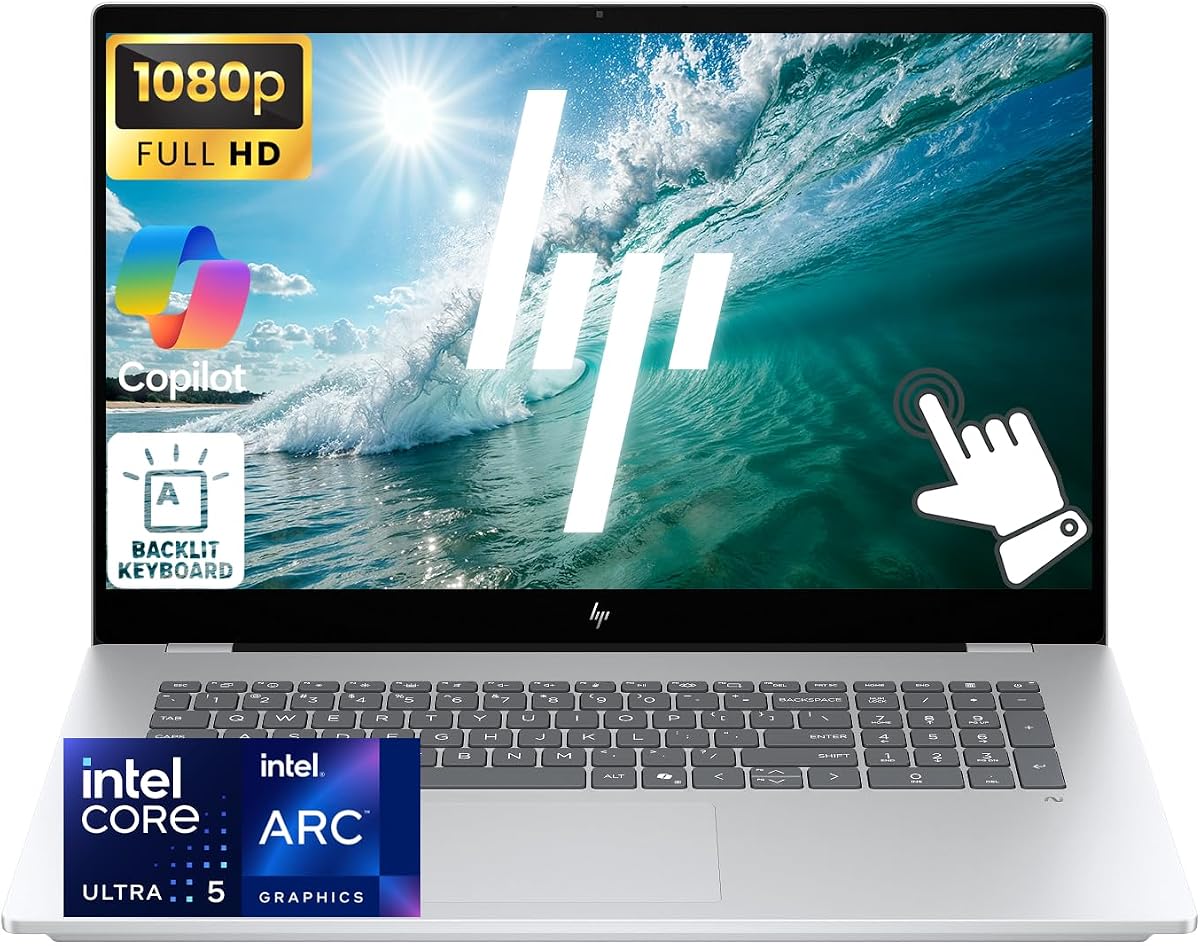
The HP OmniBook 7 17.3 offers a spacious workspace for design work. Its 4.7 rating indicates high user satisfaction for comfort and display quality.
We may earn a commission when you buy through this link, at no additional cost to you.
The 17.3 inch touchscreen with 100% sRGB provides clear visuals for presentations. Core Ultra 5 ensures smooth operation for business and light creative tasks.
While RAM is 16GB, it supports daily design software well. Fast charging reduces downtime during busy travel days.
Best for designers who prefer large screens over portability. The IR camera supports secure login for accessing sensitive design data.
17.3 inch FHD screen reduces zooming. Helps view entire floor plans and layouts easily.
Next Gen AI features optimize tasks. Keeps the laptop cool and quiet during long sessions.
We may earn a commission when you buy through this link, at no additional cost to you.
This Dell Precision 7680 variant maximizes multitasking with 64GB RAM. A 5.0 rating confirms exceptional reliability for demanding professional workflows.
We may earn a commission when you buy through this link, at no additional cost to you.
The RTX 2000 Ada GPU and i7 processor ensure smooth handling of large datasets. Built for AI optimization, it accelerates workflow efficiency significantly.
While heavy, it serves as a powerful stationary workstation. Military-grade testing ensures it withstands rigorous daily use in studios.
Ideal for users managing complex projects simultaneously. Original Dell parts guarantee long-term support and stability.
64GB RAM handles massive datasets easily. No slowdowns when running multiple rendering tasks.
Intelligent design optimizes system performance. AI accelerates key applications for faster results.
We may earn a commission when you buy through this link, at no additional cost to you.
Interior designers often travel to sites, making this rolling bag a practical accessory. Its 4.5 rating highlights durability and style for professional use.
We may earn a commission when you buy through this link, at no additional cost to you.
Fits laptops up to 17 inches with padding for protection. The alligator-textured faux leather offers a chic look for meetings and airports.
While not a computer, it supports your gear efficiently. Multiple pockets keep chargers and documents organized for quick access.
Best for designers who commute or travel frequently. It reduces shoulder strain with smooth-rolling wheels and retractable handles.
Inline wheels roll smoothly on various surfaces. Retractable handle allows compact storage during travel.
Spacious interior with multiple pockets. Keeps essential tools and devices neatly organized and accessible.
We may earn a commission when you buy through this link, at no additional cost to you.
The HP 14 Thin Light serves as an entry-level option for basic design tasks. With a 3.8 rating, it fits students or budget users needing minimal software.
We may earn a commission when you buy through this link, at no additional cost to you.
16GB RAM helps with light multitasking. The bundle includes an external drive for storage, useful for backing up design files.
The Celeron processor limits heavy rendering or 3D work. Best for 2D drafting, notes, and client presentations.
Ideal for students or secondary machines. It includes Office Suite and Copilot AI for enhanced productivity on a budget.
Includes external drive for extra space. Portable storage aids in moving large files easily.
Thin and light design for easy carrying. Suitable for students and mobile users on tight budgets.
We may earn a commission when you buy through this link, at no additional cost to you.
Selecting the right laptop involves balancing performance, screen quality, and portability. Here are key factors to consider for your design needs.
Look for multi-core processors like Intel Core i7 or i9 to handle rendering smoothly. High clock speeds ensure faster processing of complex design files.
Prioritize CPUs with dedicated cores for AI tasks to boost productivity.
Dedicated GPUs like NVIDIA RTX series are essential for 3D modeling and rendering. Integrated graphics may struggle with heavy workloads.
Choose a GPU with VRAM suited for large textures and simulations.
Color accuracy is vital; aim for 100% sRGB or DCI-P3 coverage. High resolution screens help view fine details in layouts.
Opt for OLED or IPS panels to reduce eye strain during long sessions.
32GB RAM is recommended for multitasking across CAD, browser, and design software. 16GB may suffice for basic 2D work but limits scalability.
Ensure the RAM is DDR5 for faster data access and efficiency.
Fast SSDs reduce load times for projects and software. At least 1TB capacity is ideal for storing large texture libraries.
NVMe SSDs provide better performance than traditional drives for creative apps.
If you travel to sites, a lighter chassis under 4 lbs helps. Balance weight with build quality for durability.
Consider battery life for work away from power sources.
Multiple USB ports and Thunderbolt support connect peripherals easily. External monitor support allows flexible multi-screen setups.
Wi-Fi 6 or 7 ensures fast uploads of large design files.
Certified laptops guarantee compatibility with design software like Revit. It reduces crashes and errors in professional workflows.
Prioritize ISV certified models for critical project work.
Keep your laptop clean by regularly clearing dust from vents to prevent overheating. Use a soft cloth to wipe the screen and keyboard after sessions.
Store your device in a protective case to avoid scratches during transport. A cooling pad can help maintain performance during long rendering tasks.
Update drivers regularly to ensure software compatibility. Back up your design files to cloud storage or external drives to prevent data loss.
Key specs include a powerful multi-core CPU, dedicated GPU, and at least 32GB RAM. High color accuracy on the display is also essential for client presentations.
Yes, MacBooks work well for many design tasks but check compatibility with specific industry tools like Revit. Windows often offers broader software support for CAD.
For 3D rendering, 32GB is recommended to avoid bottlenecks. Heavy simulations may require 64GB for smooth multitasking and speed.
Touchscreens help with sketching and quick edits but are not essential. They add weight and may reduce battery life depending on the model.
Workstations offer better durability and ISV certification for heavy tasks. If you use professional CAD tools, a workstation ensures stability and support.
Back up files daily or after each major session. Use cloud storage and external drives to ensure data safety and quick recovery.
The Dell Precision 7680 and HP ZBook lead in performance for professionals. The HP OmniBook 7 offers a great value option for those needing vibrant displays.
Prioritize RAM and GPU capabilities for smooth 3D rendering. Consider display quality for accurate color work and presentations to clients.
Check current prices and availability before buying. Each model suits different needs, so match your workflow to the right specs for efficiency.