
EVISTR L357
4.2Editor score
64GB memory capacity
Voice activated recording
Long battery life
Compare the top 10 handheld recorders for journalists including TASCAM, Roland, and Zoom models for interviews, field reporting, and professional audio capture.
Journalists need reliable handheld recorders to capture clear audio in any environment. From busy streets to quiet offices, the right device ensures your interviews and field reports sound professional.
We compared ten top models based on audio quality, battery life, and ease of use. This list covers everything from budget options to high-end professional tools used by experts.
Each pick highlights key features and trade-offs to help you choose the best recorder for your needs. Prices may change, so check current listings before making a final decision.
4.2Editor score
4.2Editor score

4.7Editor score
This table compares the top ten models side by side so you can quickly see key specs and find the right tool for your journalism work.




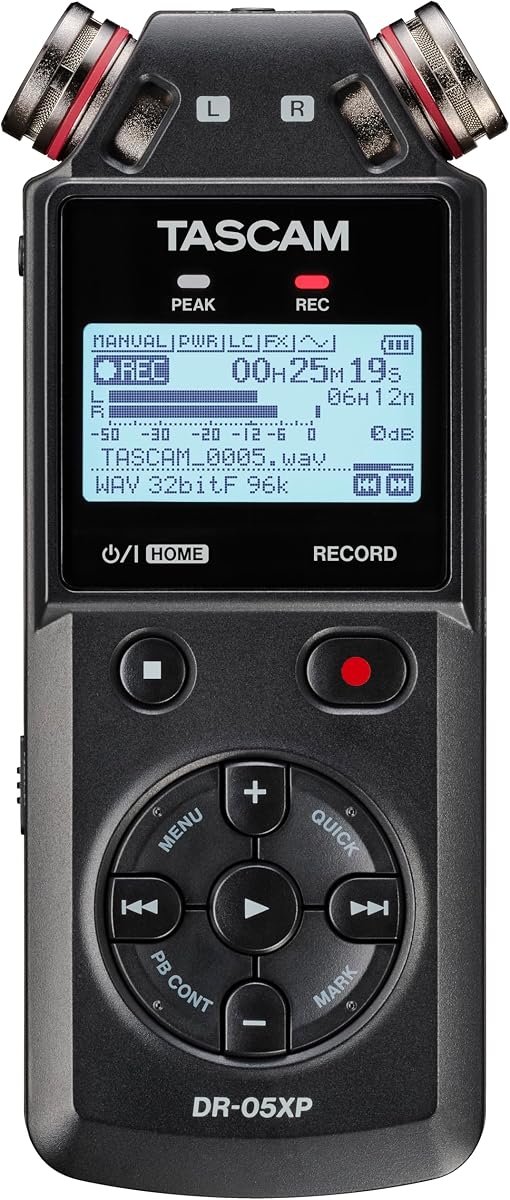
The TASCAM DR-05XP is a powerful tool for journalists who need high-quality audio on the go. With a 4.2 rating, it stands out for its 32-bit float recording capability.
We may earn a commission when you buy through this link, at no additional cost to you.
Its omnidirectional microphones handle loud environments up to 125dB SPL ensuring clear interviews even in noisy settings. The USB-C interface allows direct recording to computers.
You may need to buy batteries separately and manage files on an SD card. These trade-offs are minor compared to the audio quality and flexibility it offers.
This recorder is ideal for reporters needing professional sound in a small package. It delivers reliable performance for field work and podcasting alike.
This feature prevents audio clipping during loud moments so your recordings stay clear and usable without manual gain adjustments.
Connect directly to your computer for seamless file transfer or use it as an audio interface for live streaming and interviews.
We may earn a commission when you buy through this link, at no additional cost to you.
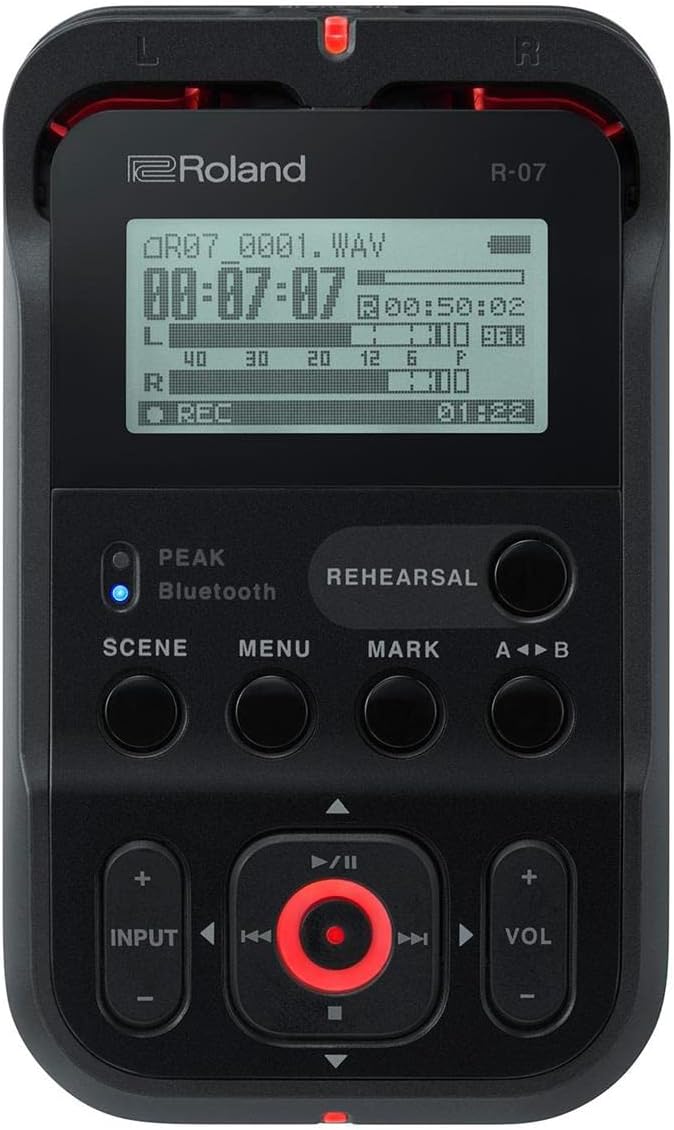
The Roland R-07 offers a unique blend of high-resolution audio and modern connectivity features. With a 4.2 rating, it appeals to tech-savvy journalists.
We may earn a commission when you buy through this link, at no additional cost to you.
You can control the recorder and monitor audio wirelessly using Bluetooth which adds convenience during interviews. It records simultaneous MP3 and WAV files for backup.
The device relies on AA batteries and costs more than entry-level models. These factors are worth considering if you value wireless flexibility and sound quality.
Choose this recorder if you need advanced control options and high-fidelity audio. It works well for field reporting where setup time matters.
Use your smartphone or Bluetooth speakers to monitor audio in real time without holding the recorder near your ears.
Save both MP3 for quick sharing and WAV for high-quality editing in a single pass to streamline your workflow.
We may earn a commission when you buy through this link, at no additional cost to you.
The EVISTR L357 delivers impressive storage and battery life at a budget-friendly price. It earns a 4.2 rating for its practical features journalists need.
We may earn a commission when you buy through this link, at no additional cost to you.
Voice activation helps you capture only important conversation segments saving time on playback and storage. The 64GB capacity holds thousands of hours of audio.
Audio quality is decent but not professional grade. The plastic build feels less durable than premium models. Still it offers great value for everyday recording tasks.
Pick this recorder if you need long recording sessions on a tight budget. It suits students and reporters who prioritize capacity over studio sound.
Adjust sensitivity levels so the device records only when voices are detected reducing silent gaps and saving storage space.
Store up to 4660 hours of audio files so you never run out of space during long field assignments or multi-day interviews.
We may earn a commission when you buy through this link, at no additional cost to you.
The Tonfarb 64GB emphasizes speed and simplicity with its one-click recording feature. It has a 4.0 rating and works well for quick notes and interviews.
We may earn a commission when you buy through this link, at no additional cost to you.
You can start recording even when the device is powered off by pushing the side button. Password protection keeps sensitive files secure.
It lacks advanced audio inputs and high-resolution recording options. For casual use though the battery life and storage are strong points.
Use this recorder for quick interviews or meeting notes where speed matters most. It is a reliable tool for everyday journalism tasks.
Capture audio instantly without navigating menus so you never miss a moment when an interview or event starts unexpectedly.
Set a password to protect your recordings from unauthorized access ensuring your notes stay private and secure on the device.
We may earn a commission when you buy through this link, at no additional cost to you.
The Zoom H5 is a top choice for professional journalists needing versatile audio capabilities. With a 4.7 rating it offers interchangeable input capsules and multi-track recording.
We may earn a commission when you buy through this link, at no additional cost to you.
You can connect external microphones via XLR inputs for superior sound quality. The 4-track simultaneous recording helps manage complex audio sources.
It is larger and costs more than portable recorders. The advanced features make up for this if you need broadcast-quality audio.
Choose this recorder for demanding fieldwork or podcast production. It provides the flexibility and sound quality professionals expect.
Swap microphones to match your recording scenario such as stereo mics for music or shotgun mics for focused interviews.
Connect professional microphones directly using XLR connectors for balanced audio and better performance in challenging environments.
We may earn a commission when you buy through this link, at no additional cost to you.
The Tascam DR-40 is a reliable 4-track recorder trusted by many content creators. It holds a 4.6 rating and supports external microphones via XLR inputs.
We may earn a commission when you buy through this link, at no additional cost to you.
You can record up to four tracks simultaneously and use the USB interface for computer connectivity. Its sound quality is excellent for the price.
The design is older and slightly bulkier than modern alternatives. These drawbacks are minor given its robust feature set and performance.
Use this recorder for interviews or music sessions requiring multiple tracks. It offers professional capabilities without a high-end price tag.
Record four separate audio sources at once giving you flexibility to mix and edit tracks during post-production.
Connect professional microphones for balanced audio and better noise performance in field recording situations.
We may earn a commission when you buy through this link, at no additional cost to you.
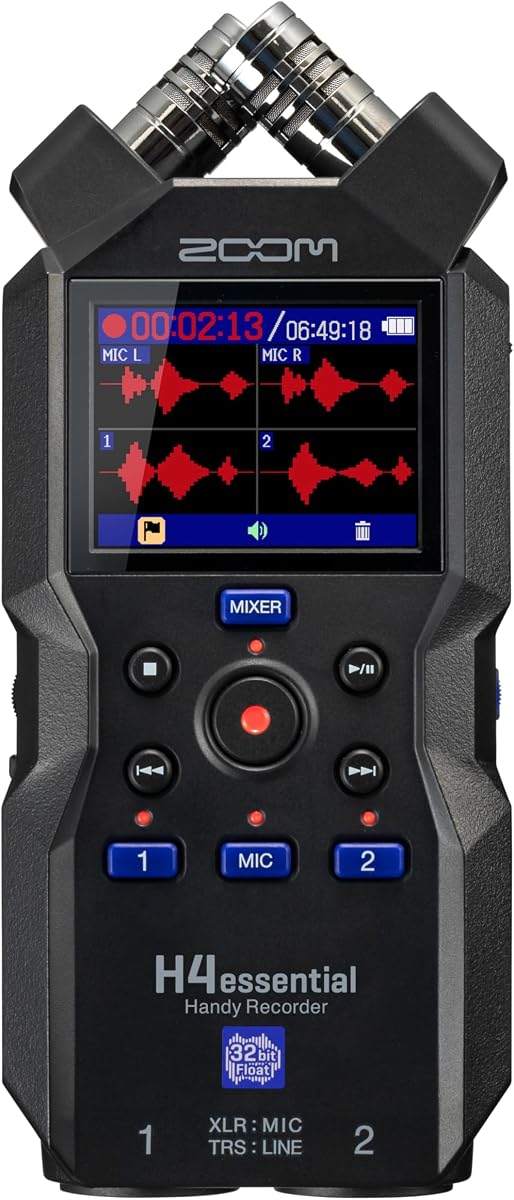
The Zoom H4 Essential brings professional features to a simpler package with accessibility in mind. It has a 4.4 rating and includes spoken menu guidance.
We may earn a commission when you buy through this link, at no additional cost to you.
You can connect external microphones or use the built-in mics for interviews. USB-C lets you record directly to your computer or stream live.
It offers fewer features than higher-end models but covers essential needs well. The accessibility options are a unique benefit for many users.
Choose this recorder if you need track capabilities with an accessible interface. It works well for interviews and podcasting.
Listen to menu instructions to navigate the device easily helping visually impaired users access features without looking at screens.
Connect to your computer to use the recorder as a USB microphone for live streaming or remote meetings.
We may earn a commission when you buy through this link, at no additional cost to you.
The Pocket AI recorder goes beyond recording by using AI to transcribe and summarize your conversations. It earns a 4.6 rating for productivity.
We may earn a commission when you buy through this link, at no additional cost to you.
You can attach it to your phone via MagSafe for hands-free recording and ask questions about your notes later. Battery life lasts up to four days.
Some advanced features require a subscription and it lacks traditional audio inputs. For note-taking though the AI tools are unmatched.
Use this device for interviews and meetings where text summaries matter. It helps you focus on the conversation not the recording.
Convert your audio recordings into searchable text instantly so you can quickly find quotes and insights without listening to everything.
Attach the recorder to your phone securely for hands-free recording during walking interviews or hands-on tasks.
We may earn a commission when you buy through this link, at no additional cost to you.
The Zoom H1 Essential is a small recorder perfect for capturing clear stereo sound on the go. It has a 4.0 rating and a lightweight design.
We may earn a commission when you buy through this link, at no additional cost to you.
You can use it as a USB microphone for streaming or record directly to your computer. The built-in microphones work well for voice.
It lacks external inputs and SD card storage for file management. For quick and casual recording it is a solid choice.
Choose this recorder for lightweight audio capture and streaming. It suits journalists who need simplicity and portability.
Use the recorder as a USB microphone for high-quality audio during live streams and video calls.
Keep the device in your pocket for easy transport and quick setup during interviews.
We may earn a commission when you buy through this link, at no additional cost to you.
The Zoom H2 Essential offers flexible microphone patterns and 32-bit float recording for high-quality audio. It has a 4.4 rating.
We may earn a commission when you buy through this link, at no additional cost to you.
You can select from nine recording patterns to match your environment. Bluetooth sync lets you align multiple units for complex recordings.
It is larger than some compact recorders and has many settings to learn. These features make it powerful for field work.
Choose this recorder if you need adaptable audio patterns and high dynamic range. It is great for interviews and soundscapes.
Select from nine microphone patterns to capture audio in any direction for interviews or ambient sound.
Record with unlimited dynamic range so you never clip even if audio levels change unexpectedly.
We may earn a commission when you buy through this link, at no additional cost to you.
Choosing the right recorder depends on your workflow, budget, and audio quality needs. This guide breaks down key factors to consider before buying.
Look for devices that support high sample rates and bit depths like 24-bit/96kHz or 32-bit float. These formats ensure your recordings stay clear even if volumes change during interviews.
Prioritize recorders with 32-bit float or high bit depth to avoid distorted audio in unpredictable environments.
Omnidirectional microphones capture sound from all directions which is useful for group interviews. Directional or shotgun mics isolate voices from background noise.
Choose a microphone pattern that matches your reporting style such as omnidirectional for groups or directional for noisy streets.
USB-C ports allow direct computer connections for easy file transfer. XLR inputs let you connect professional microphones for better sound quality.
Ensure the recorder has USB-C or XLR inputs to match your existing gear and computer setup.
Long battery life ensures you can record all day without searching for outlets. Some models use AA batteries while others have built-in rechargeable packs.
Check battery duration and whether you can swap batteries quickly during long field assignments.
Internal storage limits how long you can record before offloading files. Models with SD card slots let you swap cards and record longer.
Choose recorders with large internal storage or SD card support to avoid running out of space during interviews.
Journalists need lightweight devices that fit in a pocket or bag. Heavy or bulky models slow you down during fast-paced reporting.
Look for compact designs that are easy to carry and operate quickly with minimal setup.
Simple controls let you start recording without fumbling through menus. Voice activation can automate recording when people speak.
Select a recorder with intuitive controls and features like voice activation to streamline your workflow.
Basic recorders cost less than models with advanced inputs and features. Decide how much you need versus what you want to afford.
Balance cost against required features to find a recorder that fits your budget and needs.
Before each interview, check battery levels and storage capacity to ensure uninterrupted recording. Test the microphones by recording a short sample to confirm sound quality.
Keep the recorder dry and store it in a padded case when not in use to protect it from drops and moisture. Avoid exposing it to extreme temperatures.
Transfer files to your computer regularly and back up recordings to the cloud or external drive. This practice prevents data loss and keeps your storage organized.
Yes many recorders like the TASCAM DR-05XP and Zoom models feature USB interfaces that allow you to capture audio directly for video. Using a dedicated recorder improves audio quality compared to built-in camera mics.
32-bit float recording captures audio with unlimited dynamic range so you never clip even if volumes change suddenly. This format makes editing easier since you can adjust levels without distortion.
Use an XLR or 3.5mm input depending on the recorder model. Check that your device supports phantom power if the microphone requires it for proper operation.
Most handheld recorders use SD or microSD cards for storing audio files. Some models have internal storage so check compatibility before buying memory cards.
Many models with USB-C or Bluetooth can connect to smartphones for file transfer or live streaming. You may need adapters depending on your phone model.
Battery life varies from 10 to 48 hours depending on usage and settings. Using rechargeable batteries or carrying spares ensures you stay powered during long interviews.
Some advanced models allow basic editing like trimming files but full editing requires computer software. For journalists simple file management is usually sufficient.
Voice activation starts recording when it detects sound and stops when silence occurs. This saves storage space and time by skipping quiet periods during interviews.
The top picks like the TASCAM DR-05XP, EVISTR L357, and Zoom H5 offer excellent choices depending on your needs and budget.
Prioritize audio quality and battery life to ensure you can capture clear interviews without interruptions during critical moments.
Remember to check current prices and availability before purchasing as models and discounts change regularly on Amazon.