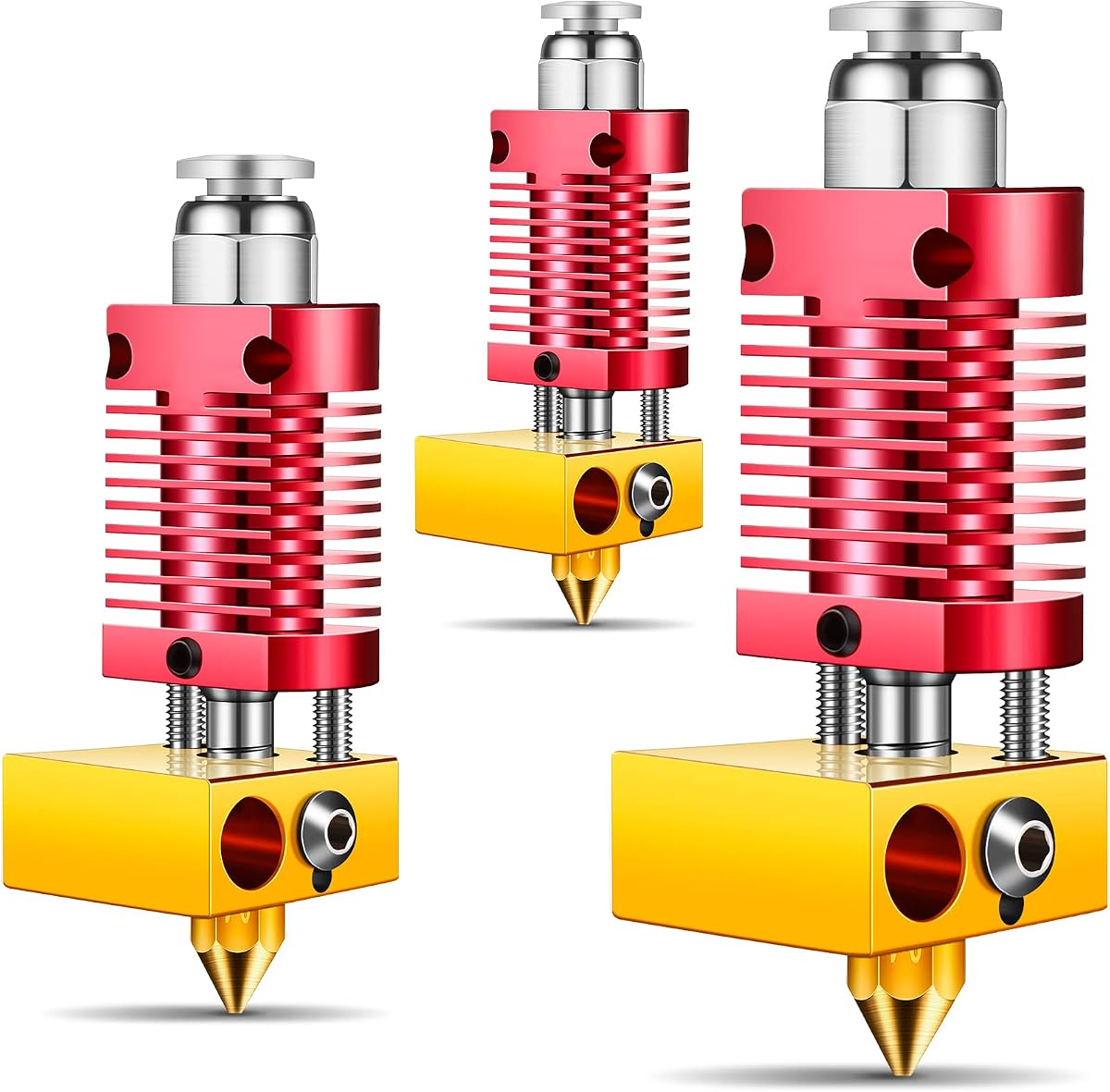
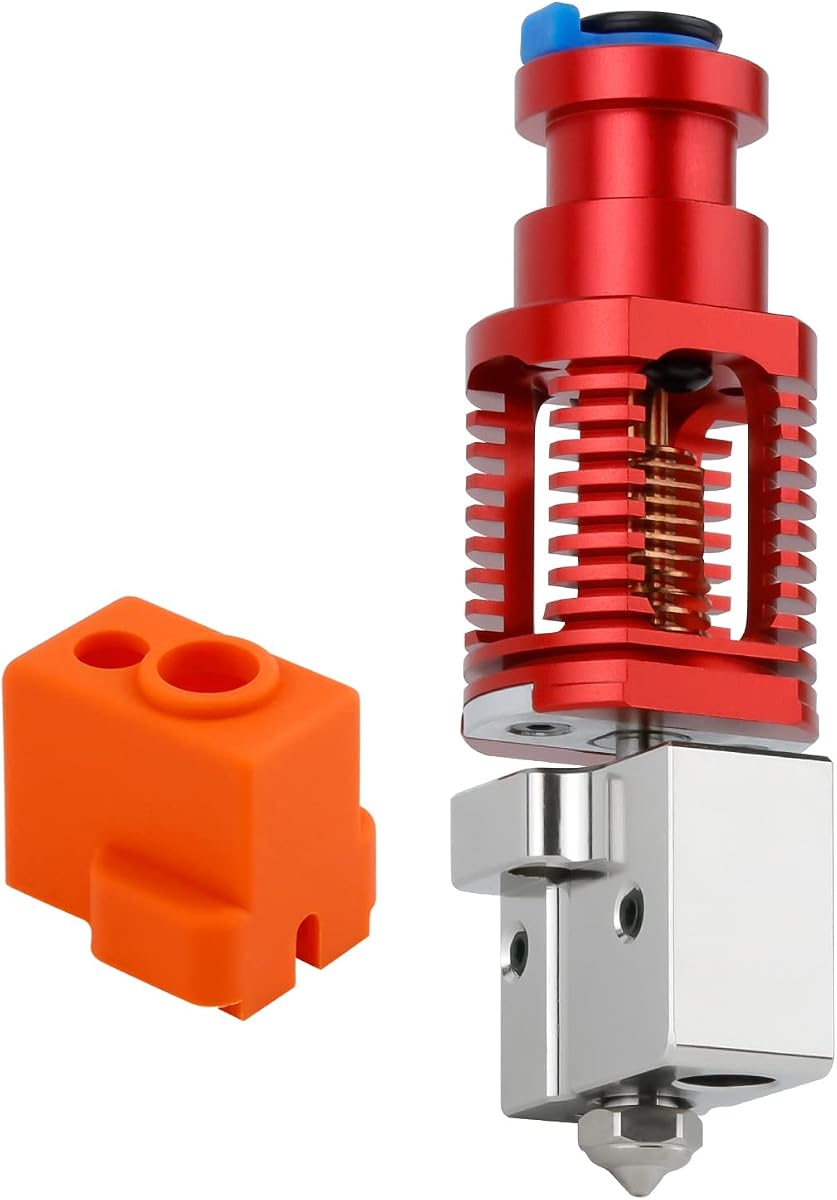
Flutesan 3 Pcs Metal Hotend Kit
4.3Editor score
Universal compatibility with Ender series
Preassembled for easy installation
Reduces clogging risks effectively
This guide compares the top all metal hotends for 3D printers to help you choose the best upgrade for high temperature printing and reliable extrusion
All metal hotends are essential upgrades for serious 3D printing enthusiasts looking to expand their material capabilities beyond standard PLA. They eliminate PTFE tubing in the hot zone, allowing for higher temperatures and preventing degradation over time during extended print sessions.
We evaluated ten leading all metal hotend kits based on build quality, compatibility, thermal performance, and user feedback. Our analysis focuses on how well each option handles high temperature filaments like ABS, nylon, and polycarbonate without clogging or suffering from heat creep issues.
Each pick below highlights specific strengths and ideal use cases for different printer models and budgets. Please note that availability and pricing can change frequently, so check current listings before making your final purchase decision for your specific setup.
4.3Editor score

4.4Editor score

4.2Editor score
The following table provides a side-by-side comparison of the ten selected all metal hotend kits. It highlights key specifications and compatibility details to help you quickly identify the right upgrade for your specific 3D printer model.
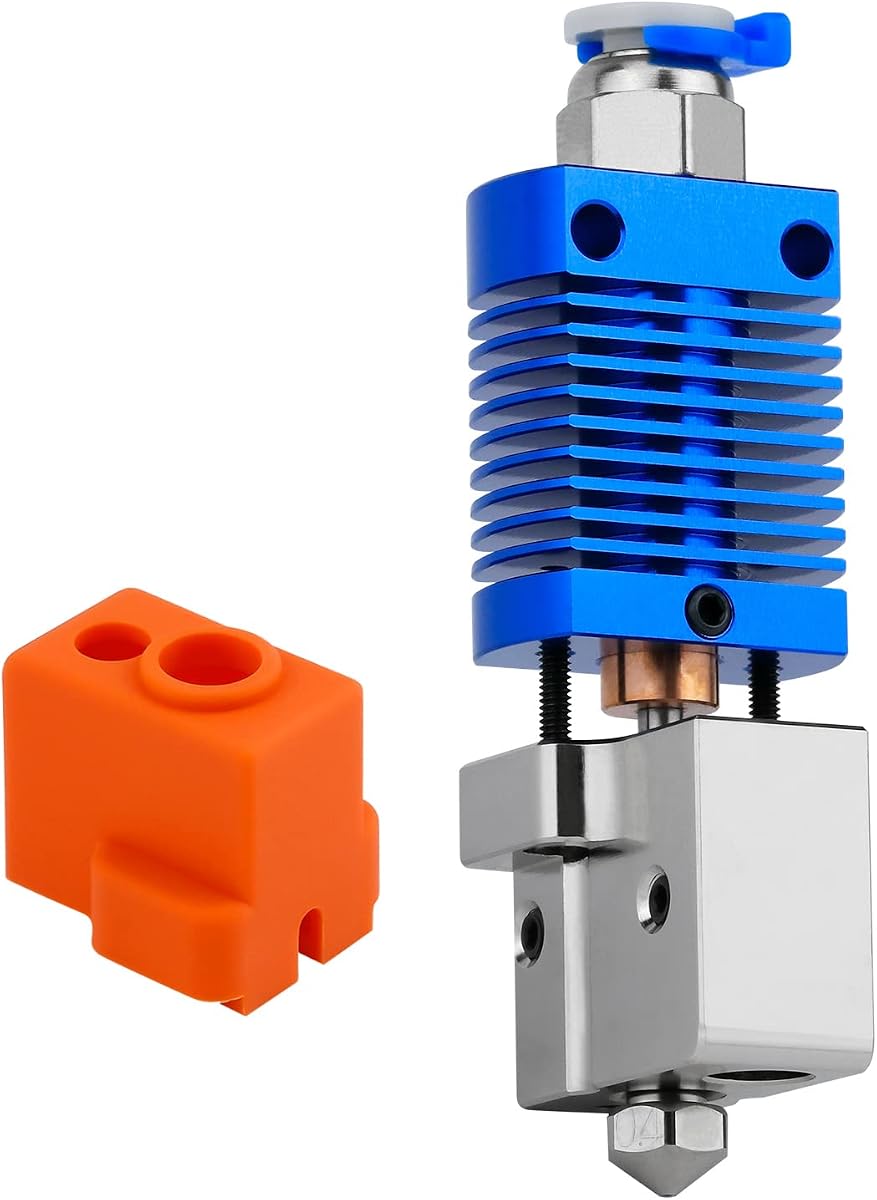

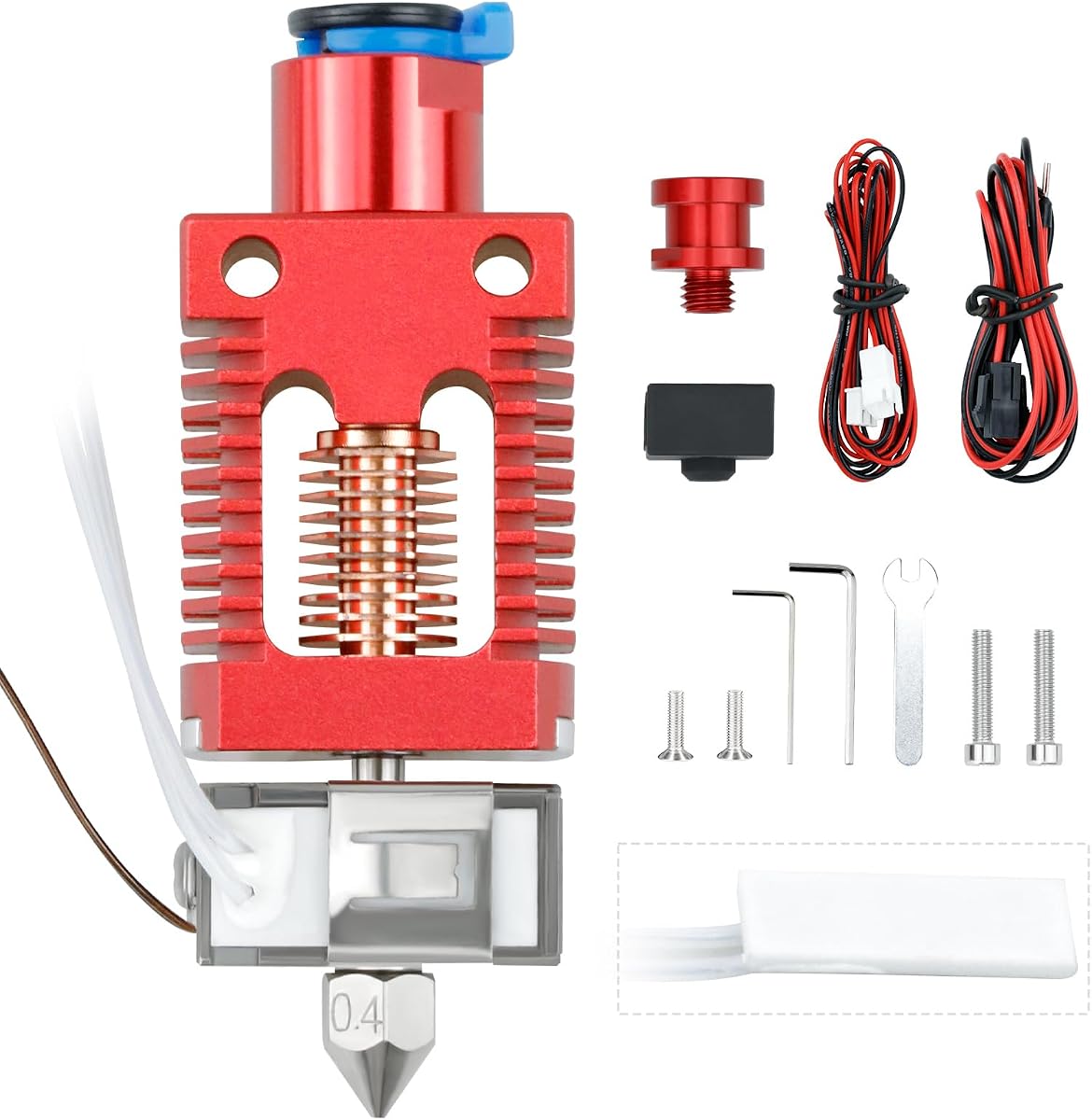

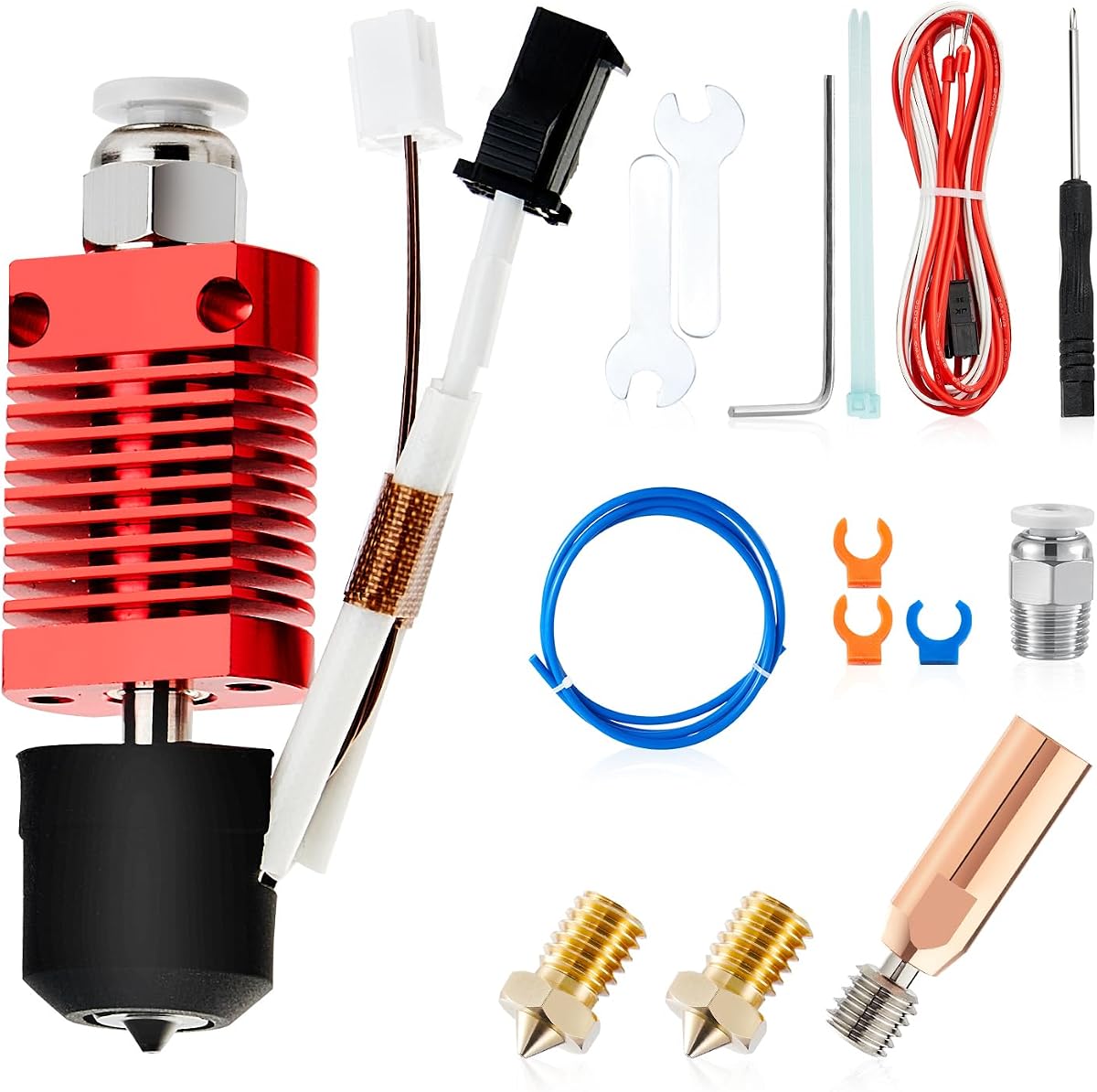

This Microswiss All Metal Hotend Kit stands out as a top tier solution for users looking to upgrade their Creality based printers. With a strong rating of 4.4 stars, it has earned trust through reliable performance and solid construction quality. The kit replaces standard setups with a fully metal path that handles high temperatures much better than PTFE tubing could ever manage.
We may earn a commission when you buy through this link, at no additional cost to you.
The standout quality here is the Grade 5 titanium heat break which is engineered to minimize heat traveling up into the cold end. This design choice directly addresses one of the most common failure points in 3D printing known as heat creep. The aluminum cooling block and heater block work together to maintain precise thermal zones ensuring your filament melts only where it should.
While the kit is designed as a drop in replacement, some users might find the installation requires patience to ensure proper seating of all components. Additionally, moving to an all metal setup often necessitates adjusting printer firmware settings to match the new thermal characteristics. These are minor trade-offs considering the significant improvement in print reliability and material range.
Anyone printing with ABS nylon or other high temperature materials will benefit most from this upgrade. If you own a CR-10 Ender 3 or Ender 5 this kit offers a proven path to better performance without needing to build a hotend from scratch. It is a worthwhile investment for those ready to take their printing capabilities to the next level.
The titanium heat break acts as a thermal barrier preventing heat soak that leads to filament jams in the feed tube.
Without PTFE limits you can safely print filaments requiring temperatures beyond 230 degrees Celsius without degradation.
We may earn a commission when you buy through this link, at no additional cost to you.
For those watching their budget but still needing an all metal upgrade this Flutesan kit offers a compelling entry point. It holds a 4.3 star rating which suggests consistent satisfaction among users who want better performance without spending much. The kit includes multiple units allowing you to have spares on hand for maintenance or experiments.
We may earn a commission when you buy through this link, at no additional cost to you.
Its primary strength lies in its preassembled nature which simplifies the upgrade process significantly. The anodized aluminum shell adds a layer of durability while protecting internal components from wear. By removing the PTFE tube from the heat zone it allows for higher printing temperatures and reduces the risk of material degradation causing clogs.
It is important to note that heating elements and sensors are not included in this package meaning you will need to reuse existing parts or source them separately. This can add hidden costs or complexity for some users who assume it is a complete turnkey solution. However for those with spare parts it remains a great value.
This kit is ideal for hobbyists who want to experiment with high temperature filaments without a major financial commitment. If you already own an Ender 3 or CR-10 you will find compatibility straightforward and installation manageable. It is a smart choice for expanding your library of printable materials on a tight budget.
You get the benefits of an all metal hotend path for a fraction of the cost of premium branded options.
The integrated structure allows you to disassemble and repair parts quickly if issues arise during use.
We may earn a commission when you buy through this link, at no additional cost to you.
This VOLISI3D Volcano hotend is designed specifically for users who need to print faster without sacrificing quality. The volcano chamber allows for a higher melt volume meaning the printer can extrude more filament per second. With a rating of 4.3 stars it has gained popularity among enthusiasts pushing their machines to the limit.
We may earn a commission when you buy through this link, at no additional cost to you.
The bimetal heatbreak combines titanium for heat insulation and copper for heat conduction creating an efficient thermal gradient. The heater block and nozzle are made from copper with nickel plating which provides excellent thermal conductivity and resistance to wear. This combination supports printing with demanding materials like PAEKs or medical grade filaments.
One notable inclusion is an extra titanium heatbreak which provides peace of mind for long term use if the first one gets damaged. However the random shipping of black or orange silicone covers might be a slight annoyance for users who prefer specific aesthetics. Additionally high flow hotends often require nozzle retraction tuning to prevent stringing.
If you want to cut down print times on large parts this upgrade is highly recommended. It works well with Ender 3 V2 and CR-10 series printers making it accessible to many users. The ability to handle higher temperatures and flow rates makes it a strong contender for anyone serious about production printing.
The volcano geometry increases the surface area for heating allowing for faster extrusion rates during printing.
Copper and titanium work together to manage heat effectively reducing waste and ensuring consistent extrusion.
We may earn a commission when you buy through this link, at no additional cost to you.
This V6 All Metal Hotend is tailored specifically for owners of Prusa i3 MK2 and MK3 series printers. It offers a direct replacement option that maintains the original mounting footprint while improving thermal performance. With a 4.0 star rating it delivers reliable results for those looking to upgrade away from standard PTFE setups.
We may earn a commission when you buy through this link, at no additional cost to you.
The bi-metal heatbreak uses titanium alloy to stop heat rising and copper to accelerate conduction ensuring optimal heat distribution. The brass nozzle is CNC machined for smooth inner walls which helps filament move freely without catching or jamming. This attention to detail helps prevent common issues like leaks or uneven extrusion.
Potential buyers should be aware that the heater cartridge and thermistor are not included meaning you must keep your existing components if they are still functional. This makes the upgrade cost-effective but requires care during removal of old parts. The lack of universal compatibility limits its appeal to Prusa users only.
Prusa owners looking to print ABS or PETG more reliably will find this hotend a solid choice. It improves efficiency and resolution by eliminating heat creep risks associated with the original hotend design. If you have a Prusa i3 this is a targeted upgrade that addresses the printer specific needs directly.
CNC machining ensures the brass nozzle has a flawless finish that promotes smooth filament flow and consistency.
The heatbreak design effectively reduces heat loss improving printing efficiency and maintaining stable temperatures.
We may earn a commission when you buy through this link, at no additional cost to you.
This Rapido Hotend kit is built for users who need to push their printers to the limit with very high temperature filaments. It supports temperatures up to 300 degrees Celsius which is necessary for materials like polycarbonate or nylon blends. With a rating of 3.6 it may show some inconsistency but offers unique technical features.
We may earn a commission when you buy through this link, at no additional cost to you.
The ceramic heating core enables rapid heating which helps reach target temperatures quickly for faster start of prints. The tri-metal thermal breakers combine copper titanium and aluminum alloys to manage heat flow efficiently and prevent creep. This structural upgrade aims to increase stability and reduce the risk of material leakage during prints.
Assembly can be tricky for some users and requires understanding of specific connectors for Voron or Ender models. Some users have reported variability in build quality which explains the lower rating compared to other options. Careful attention to instructions is needed to avoid misalignment or damage to components.
If you need to print specialized engineering materials this kit provides the necessary thermal headroom. It fits Ender 3 Pro and Max models well making it a viable option for Creality users wanting to go beyond standard plastics. Just be prepared to spend time configuring it correctly for best results.
The ceramic core heats up faster than traditional resistive heaters allowing for quicker start of print cycles.
Steel screws and alloy brackets secure the assembly to ensure it stays stable during high vibration prints.
We may earn a commission when you buy through this link, at no additional cost to you.
The Dragonfly HOTEND BMS is a high performance hotend designed by the partner company Phaetus. It offers a 4.3 star rating and is built to withstand extreme temperatures up to 500 degrees Celsius. This makes it one of the few options capable of printing with carbon fiber or composite materials reliably.
We may earn a commission when you buy through this link, at no additional cost to you.
The copper alloy heater block heats quickly and dissipates heat efficiently ensuring stable operation during long prints. The heatbreak inner hole has a very smooth finish which reduces friction and helps filament flow smoothly without catching. The plated copper nozzle is durable enough to handle abrasive additives in specialty filaments.
It does not include the heater tube or temperature sensor so you need to reuse existing parts or buy them separately. For Ender 3 V2 users you may need an adaptor to ensure proper fit since the mounting design differs slightly. These requirements add a bit of complexity to the installation process.
Advanced users working with industrial grade filaments will appreciate this hotend's capabilities. If you need to print PEEK or PEI this upgrade provides the thermal capacity required. It is a robust choice for those who prioritize performance and durability over ease of setup.
Built to handle temperatures up to 500C enabling printing of materials that typically require industrial machines.
The Ra 0.3 surface finish inside the heatbreak ensures filament moves with minimal resistance during extrusion.
We may earn a commission when you buy through this link, at no additional cost to you.
This CHC Hotend Upgrade kit is designed for Ender 3 users seeking a straightforward upgrade path. It features a 360 degree circular heating design that ensures even heat distribution. With a strong 4.4 star rating it has been well received by users who value ease of installation and reliable performance.
We may earn a commission when you buy through this link, at no additional cost to you.
The ceramic heater core enables rapid heating up to 200 degrees Celsius in just 15 seconds. It includes hardened steel nozzles that are resistant to abrasion which is useful if you plan to print with glass fiber or other abrasives. The package is comprehensive with extra cables and connectors included.
While the design is robust some users might find it lacks some advanced thermal tuning options available in other kits. The temperature cap around 500 degrees is high enough for most users but may not suit specialized industrial needs. However for general high temp printing it is more than sufficient.
If you want a hassle free upgrade for your Ender 3 or CR-10 this kit is a great choice. The plug and play nature means you can have your printer back online quickly with improved performance. It is a reliable solution for those who value convenience and durability.
The ceramic heater core reaches operating temperature quickly reducing wait times before starting your print job.
HRC62 hardened steel nozzles resist wear and corrosion ensuring a longer lifespan for your printing tools.
We may earn a commission when you buy through this link, at no additional cost to you.
This Microswiss All Metal Hotend features a unique slotted cooling block designed specifically for the Wanhao i3 printer. With a 4.6 star rating it stands out as one of the highest rated options in this guide. The design prioritizes ease of assembly and thermal efficiency for this specific machine.
We may earn a commission when you buy through this link, at no additional cost to you.
The slotted clamping system removes the need for set screws that can pinch or damage the thermal tube during tightening. This improves heat transfer consistency and ensures a secure fit without risk of deformation. The TwinClad XT coated nozzle provides excellent lubricity and wear resistance for smoother filament extrusion.
While it is a premium product it is limited to Wanhao i3 and Monoprice Maker Select printers so it will not fit other models. The higher price point reflects the specialized engineering and USA manufacturing but may not be cost effective for casual users. It is truly a niche product for specific printer owners.
If you use a Wanhao i3 this is arguably the best upgrade you can make for the hotend. The attention to detail in the clamping system solves common pain points for this model. It is a reliable choice for those wanting to ensure their printer is performing at its best.
Eliminating set screws prevents crushing the thermal tube which is a common failure point in many upgrades.
The TwinClad XT coating reduces friction helping filament flow smoothly and reducing wear over time.
We may earn a commission when you buy through this link, at no additional cost to you.
This Red Lizard K1 hotend is optimized for users of Voron 2.4 and Prusa I3 printers who need high flow capabilities. It features a volcano style chamber that allows for increased melt volume for faster prints. With a 4.1 star rating it offers solid performance for those seeking speed improvements.
We may earn a commission when you buy through this link, at no additional cost to you.
The plated copper heater block provides excellent thermal conductivity ensuring the nozzle stays at consistent temperatures. The three part integrated heatbreak is tightly connected to prevent rotation and ensure better heat conduction. This design helps maintain stability and efficiency during high speed printing sessions.
The nozzle is rated for up to 550 degrees Celsius which makes it suitable for demanding materials like medical grade PAEKs. However the package does not include all components you might need for every printer model so checking compatibility is crucial. Assembly requires attention to ensure parts are aligned correctly for best results.
If you own a Voron 2.4 and want to maximize your printing speed this is a great choice. The high flow design combined with reliable materials makes it a versatile option for enthusiasts. It is a strong contender for users who want to push their printer beyond standard limits.
The integrated three part design prevents rotation ensuring the heatbreak stays aligned for optimal thermal transfer.
The volcano design allows for faster extrusion rates without losing print quality or filament flow consistency.
We may earn a commission when you buy through this link, at no additional cost to you.
The Genuine E3D V6 All-Metal HotEnd is the flagship product from E3D known for its versatility and performance. It holds a 4.2 star rating and is often considered the gold standard in 3D printing hotends. The V6 ecosystem supports a wide variety of accessories making it a flexible choice for any printer.
We may earn a commission when you buy through this link, at no additional cost to you.
Its all-metal design allows for high temperature performance without relying on PTFE tubing in the heating zone. Whether you want to print PLA or more advanced filaments this hotend can handle it reliably. The full kit includes components needed for a Bowden setup ensuring you have everything to start printing.
The main drawback is the higher price point compared to other options in this list. Additionally depending on your specific printer you may need additional brackets or mounts to integrate it properly. However the reliability and support from E3D often justify the cost for those seeking peace of mind.
For anyone wanting a universal and highly reliable upgrade this V6 hotend is hard to beat. It is a smart investment if you plan to experiment with different materials or upgrade other parts of your printer later. Choose this if you value brand reputation and ecosystem flexibility over cost.
The V6 ecosystem allows for a wide variety of accessories and upgrades to expand your printer capabilities.
Decades of support and field testing ensure this hotend performs consistently across many different machines.
We may earn a commission when you buy through this link, at no additional cost to you.
Selecting the right all metal hotend depends on several technical factors and compatibility requirements. This guide breaks down the key elements to consider.
The most critical factor is ensuring the hotend fits your specific printer model. Check mounting holes heat block dimensions and extruder connections. Universal kits work for many machines but specific ones like Prusa or Wanhao may need custom brackets.
Always verify that the hotend matches your extruder type and bed voltage requirements before purchasing.
Consider what materials you want to print. If you plan to use ABS or nylon you need a hotend rated for at least 250 degrees Celsius. For polycarbonate or carbon fiber you may need ratings up to 300 or even 500 degrees.
All metal hotends allow you to print higher temperature materials safely without degrading PTFE tubing in the heat zone.
The heatbreak connects the heater block to the cold sink. Bi-metal designs with titanium and copper reduce heat creep effectively. Titanium insulates heat while copper dissipates it quickly ensuring the filament stays solid until the nozzle.
Look for smooth inner walls in the heatbreak to prevent filament from catching or jamming during extrusion.
Heater blocks made of copper or aluminum alloy conduct heat better than standard steel. Copper offers faster heating and more uniform temperature distribution which is beneficial for high flow printing or materials requiring precise temperatures.
Higher thermal conductivity reduces thermal lag and helps maintain consistent extrusion during long print runs.
Standard brass nozzles are great for PLA but wear quickly with abrasive filaments. Look for hardened steel plated copper or ruby tipped nozzles if you plan to use carbon fiber or glass filled materials.
Durable nozzles extend the life of your hotend and ensure consistent extrusion diameters for accurate prints.
Effective fan cooling is necessary to dissipate heat from the heatbreak. Some kits include dedicated fan shrouds or silicone socks that help manage thermal zones. Proper cooling prevents heat creep which can cause clogging.
Check if the kit includes all cooling components like fans socks or ducts to ensure proper function.
Some kits are complete with heater cartridges and sensors while others are shells only. If you need to replace the sensor you may spend more than expected. Read the package list carefully to avoid missing parts.
Complete kits save time and ensure all thermal components are rated to work together safely.
Precision machining affects how well parts fit together. Look for hotends made from high quality aluminum or steel alloys that resist wear. Products with positive reviews about build quality usually last longer and perform better.
Choose reputable brands with clear documentation to ensure safety and reliable thermal performance over time.
When installing a new all metal hotend ensure the printer is powered off and the old unit is cooled. Remove the old nozzle and extruder carefully. Use a wrench to loosen the retaining nut but be careful not to strip threads on new parts.
Tighten components to the recommended torque if available. Proper tightening ensures good thermal contact without damaging components. Align the nozzle height correctly so that filament flows cleanly without gaps between the nozzle and bed.
After installation perform a heat soak test to check for leaks or uneven heating. Clean the nozzle periodically to remove residue. Lubricate screws and gears on the extruder to maintain smooth filament feeding.
Standard hotends often use PTFE tubing inside the heating zone which can degrade at high temperatures. All metal hotends eliminate this tubing allowing for higher printing temperatures and preventing clogs caused by melted PTFE. They offer better thermal insulation and more reliable performance for advanced materials.
Most installations require adjusting temperature limits and PID tuning in the firmware. This ensures the printer recognizes the new thermal characteristics of the hotend. Consult your printer's documentation or online forums for specific changes needed for your model.
Yes you can use all metal hotends for PLA but you must manage heat creep carefully. Since PLA prints at lower temperatures ensure proper cooling with fans and insulation. Some users prefer keeping the PTFE tube near the nozzle if only printing PLA.
Heat creep occurs when heat travels up from the nozzle into the cold end causing filament to soften prematurely. All metal hotends use heatbreaks and improved cooling to isolate the heated zone. This prevents filament from melting too early and getting stuck.
Installation difficulty varies by kit complexity and your experience level. Most come with instructions and tools needed. If you are comfortable with basic electronics and mechanical assembly it is manageable. Follow the steps carefully to avoid damage.
Regular maintenance includes cleaning the nozzle tip removing debris and checking for wear. Periodically lubricate moving parts and inspect the heatbreak for signs of stress. Proper care extends the lifespan of the hotend and ensures consistent print quality.
Choosing the right all metal hotend can transform your 3D printing experience by enabling a wider range of materials and improving reliability. The Microswiss All Metal Hotend Kit and Flutesan options provide excellent value for Creality users.
For those seeking high flow and speed the Volcano style hotends are worth the investment. Advanced users looking for premium performance will appreciate the versatility of the E3D V6 system.
Remember to check current availability and prices before making your decision as market conditions can change quickly. By selecting the right upgrade for your setup you will enjoy better results and more creative freedom.