
Canon RF100mm F2.8 L Macro IS USM Lens
4.7Editor score
1.4x maximum magnification
5 stops image stabilization
Spherical aberration control
This guide compares the best macro lens for insect photography, covering mobile clips, conversion lenses, and dedicated optics for sharp close-up results.
Capturing the intricate world of insects requires specialized optics that reveal details invisible to the naked eye. Whether you shoot with a smartphone or a professional camera, choosing the right macro lens transforms tiny subjects into stunning visuals.
We evaluated ten top-rated options based on magnification power, optical clarity, build quality, and ease of use. Our analysis covers everything from affordable clip-on attachments to high-end dedicated lenses designed for serious nature photographers.
Each pick highlights unique strengths for different budgets and camera systems. Prices and availability change frequently, so verify current details before purchasing to ensure you get the best value for your specific photography needs.
4.7Editor score

4.4Editor score

4.6Editor score
The following table provides a side-by-side overview of key specifications and features across all ten selected macro lenses to help you quickly identify the best match for your camera system and shooting style.




The Canon RF100mm F2.8 L Macro IS USM Lens stands out as the premier choice for serious insect photographers using Canon RF cameras. With a world-first 1.4x magnification ratio, it captures details that standard macro lenses cannot, while maintaining exceptional clarity across the frame.
We may earn a commission when you buy through this link, at no additional cost to you.
Its hybrid image stabilization system compensates for both angular and shift camera shake, making handheld shooting viable even at extreme magnifications. The Spherical Aberration control ring allows precise adjustment of the bokeh shape, giving you creative control over how backgrounds render in your close-up work.
While the price reflects its professional grade, the optical performance justifies the investment for those who demand the highest quality. The lens is relatively heavy compared to compact alternatives, which may require a tripod for extended sessions but ensures stability when precision matters most.
If you own a Canon R system and want the absolute best tool for insect photography, this lens delivers unmatched versatility and image quality. It bridges the gap between traditional macro work and high-magnification detail shots with professional reliability.
The 1.4x magnification allows you to fill the frame with tiny insects without needing extension tubes or bellows.
The SA control ring lets you smooth out foreground and background blur for a more artistic, professional look.
We may earn a commission when you buy through this link, at no additional cost to you.
The Canon RF35mm F1.8 IS Macro STM Lens offers a versatile solution for photographers who need macro capabilities without carrying a dedicated macro lens. While it only reaches 0.5x magnification, it provides enough close-up power for many insect and detail shots alongside general photography.
We may earn a commission when you buy through this link, at no additional cost to you.
Its compact size and bright f/1.8 aperture make it ideal for low-light conditions where insects might be active, such as early mornings. The built-in optical image stabilization ensures sharp handheld shots, and the STM motor delivers quiet, fast focusing crucial for skittish subjects.
The control ring allows direct access to settings like aperture without taking your eye off the viewfinder. Although it lacks true 1:1 reproduction, it is a practical dual-purpose lens that excels in hybrid shooting scenarios where you need both standard and close-up capability.
For Canon RF users seeking a lightweight travel-friendly option that handles insects well without the bulk of larger optics, this lens is an excellent choice. It balances everyday use with specific macro needs effectively.
Use it for portraits and street photography during the day, then switch to macro mode for insect details.
The f/1.8 aperture allows more light in, enabling faster shutter speeds when photographing moving insects.
We may earn a commission when you buy through this link, at no additional cost to you.
The TTARTISAN 40mm f/2.8 Macro Lens provides exceptional value for Sony E-mount users looking for true macro capabilities without a premium price tag. It delivers a genuine 1:1 magnification ratio, allowing you to capture insects life-size on your sensor with impressive sharpness.
We may earn a commission when you buy through this link, at no additional cost to you.
Its all-metal construction feels durable yet remains lightweight at 13.1 ounces, making it easy to carry into the field. The 11-blade aperture creates beautiful bokeh that isolates your subjects effectively, while the optical design minimizes aberrations for clear results.
Because it is fully manual, you lose electronic communication with the camera body, meaning you must focus manually and set exposure settings independently. This can slow down your workflow, but for deliberate macro work where focus precision is key, it offers a rewarding experience.
If you are willing to embrace manual focus to save money while still getting professional-grade optics, this lens is a strong contender. It is particularly suitable for static insect subjects where you can take your time to compose and focus carefully.
Achieve 1:1 magnification without paying for high-end optics, perfect for budget-conscious photographers.
Manual focus rings provide tactile feedback for precise adjustments, especially useful in controlled settings.
We may earn a commission when you buy through this link, at no additional cost to you.
The APEXEL 100Ultra Macro Lens is designed specifically for smartphone users who want to explore macro photography without investing in a camera system. Its 10x magnification capability allows you to capture intricate details of insects and flowers directly from your iPhone or Android device.
We may earn a commission when you buy through this link, at no additional cost to you.
With an F1.05 aperture, it offers significant light-gathering potential for mobile macro work, helping to create depth and bokeh that phones typically struggle with. The clip-on design means you can attach it in seconds, making spontaneous photography sessions seamless and quick.
However, compatibility depends heavily on your specific phone model and camera placement, so check before buying. The focus range is also limited, requiring you to be very close to your subject, which can be challenging with moving insects.
For hobbyists and social media creators who need impressive close-up shots on the go, this lens delivers excellent value. It lowers the barrier to entry for macro photography, letting you explore the tiny world with tools you already own.
Transform your phone into a macro tool instantly without complex setups or additional cameras.
Compatible with various phone models, allowing flexible use across different devices.
We may earn a commission when you buy through this link, at no additional cost to you.
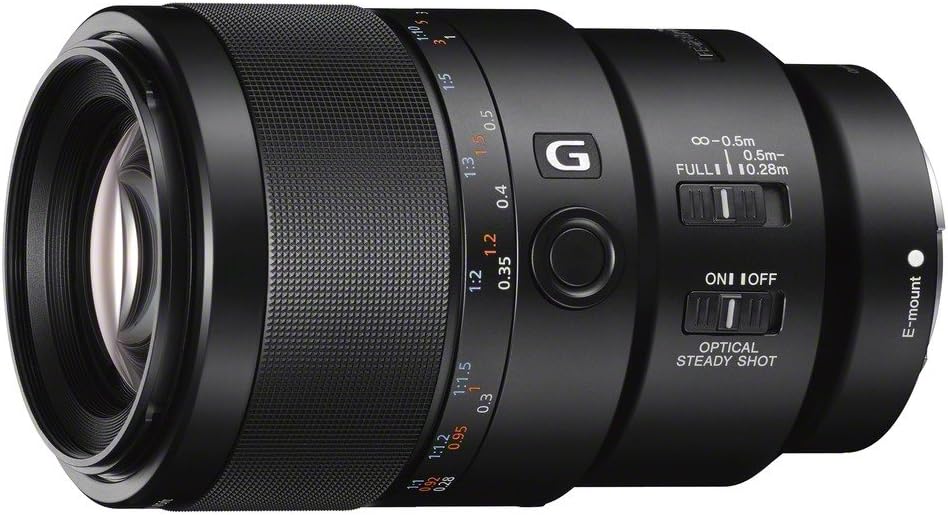
The Sony FE 90mm F2.8 Macro G OSS Full-Frame Lens is a gold standard for professional photographers seeking flawless optical performance. It delivers 1:1 magnification with corner-to-corner sharpness, ensuring every detail of an insect's wing or eye is rendered clearly.
We may earn a commission when you buy through this link, at no additional cost to you.
Its weather-resistant design protects against dust and moisture, making it reliable for outdoor shooting in unpredictable conditions. The Optical Steady Shot stabilization helps reduce camera shake, while the Direct Drive SSM motor provides quick and silent autofocus performance.
While it comes with a higher price tag, the build quality and optical consistency justify the cost for professionals. The 90mm focal length offers a comfortable working distance, allowing you to photograph insects without disturbing them too much.
If you use Sony full-frame cameras and require a reliable tool that excels in demanding environments, this lens is an essential addition. It combines speed, sharpness, and durability to deliver exceptional results consistently.
Shoot confidently in varied weather conditions without worrying about damaging your expensive lens.
Advanced elements reduce flare and ghosting, ensuring clear images even in bright sunlight.
We may earn a commission when you buy through this link, at no additional cost to you.
The FotoZ Macro Conversion Lens offers an affordable way to add macro capabilities to your existing DSLR or mirrorless camera without buying a dedicated lens. With a wide range of adapter rings, it fits most standard lens threads, making it highly versatile for different setups.
We may earn a commission when you buy through this link, at no additional cost to you.
Its 8 diopter power allows for much closer focusing distances, helping you capture fine details of small subjects like insects. The spring-loaded snap-on design means you can switch between normal and macro modes quickly, which is useful during dynamic shooting sessions.
Optical quality is generally decent for the price, though it may not match a true macro lens in terms of edge sharpness. Some vignetting can occur at wide apertures, but this is often acceptable given the low cost and convenience factor.
For hobbyists or those on a tight budget who need occasional macro shots, this accessory provides a practical solution. It is an effective way to experiment with close-up photography before committing to a more expensive lens.
Adapters for multiple thread sizes mean one lens can work with many different existing camera lenses.
Snap-on design allows you to switch quickly, keeping your workflow efficient in the field.
We may earn a commission when you buy through this link, at no additional cost to you.
The ULANZI CL-003 Phone Macro Lens brings a professional DSLR feel to mobile macro photography. Its 75mm focal length and 10x optical magnification provide sharp, clear images of insects with natural bokeh and minimal distortion compared to standard clip-ons.
We may earn a commission when you buy through this link, at no additional cost to you.
Constructed from durable aluminum alloy, it feels robust and premium in the hand. The tele-focusing operation mimics professional cameras, allowing you to control the shooting distance precisely between 45mm and 90mm for varied compositions.
To use it, you may need a phone case with a 17mm screw port or a cold shoe mount, which adds a slight setup step compared to clip-on models. However, this ensures a more stable and secure attachment during use.
For mobile photographers who value build quality and optical performance, this lens is a standout choice. It elevates smartphone macro work to near-professional standards with its refined design and consistent results.
Premium materials ensure durability and a better user experience compared to cheaper plastic alternatives.
Adjustable focusing range lets you frame shots precisely without constantly moving your phone closer.
We may earn a commission when you buy through this link, at no additional cost to you.
The 67mm Close-up Filter Kit offers a range of magnification strengths that can be used individually or stacked to increase power. This flexibility makes it a versatile tool for macro enthusiasts who want to experiment without committing to a single fixed lens.
We may earn a commission when you buy through this link, at no additional cost to you.
Each filter is double threaded, allowing you to add polarizers or other filters on top. The kit includes filters rated +1, +2, +4, and +10, enabling you to tailor the magnification level to suit different insect sizes and shooting distances.
While the optical clarity is good for the price, stacking multiple filters can sometimes reduce sharpness. However, for casual use or when budget is a constraint, these filters provide a convenient way to enhance your lens's close-up capabilities.
If you already have a lens with a 67mm filter thread, this kit is a cost-effective way to explore macro photography. It is ideal for beginners who want to try different magnification levels before upgrading to dedicated optics.
Stack filters to achieve higher diopter strength, giving you more control over magnification levels.
Double threading allows additional filters like polarizers to be used simultaneously for better results.
We may earn a commission when you buy through this link, at no additional cost to you.
The Xenvo Pro Lens Kit is an all-in-one solution for mobile photographers who want macro and wide-angle capabilities in one package. The 15x macro lens offers strong magnification for capturing insects, while the included LED fill light helps in low-light scenarios.
We may earn a commission when you buy through this link, at no additional cost to you.
The GlowClip LED light is rechargeable and clips anywhere on your phone, providing natural illumination without the harshness of a built-in flash. This is particularly useful when photographing insects in shaded areas or during dusk when light is limited.
While the optical quality is decent for a starter kit, it may show some distortion or softness compared to dedicated lenses. The clip can also be a bit bulky, potentially affecting the balance of your phone, but it ensures a secure fit.
For beginners or travelers who want a complete kit without buying separate accessories, this offers excellent value. It makes mobile macro photography accessible and fun, providing all the tools you need to start capturing details immediately.
The included LED light ensures your subjects are well-lit, reducing shadows and improving clarity.
Everything from lens to case is provided, simplifying the setup process for new users.
We may earn a commission when you buy through this link, at no additional cost to you.
The AstrHori 25mm F2.8 Ultra Macro Lens is designed for extreme close-up work, offering a magnification range from 2x to 5x. This makes it ideal for capturing minute details that traditional 1:1 macro lenses cannot resolve, such as microscopic textures on insect wings.
We may earn a commission when you buy through this link, at no additional cost to you.
Unlike typical macro lenses, it does not support infinity focus, focusing entirely on macro applications. The wide-angle design provides greater depth of field compared to longer focal lengths, helping keep more of your subject in focus during high-magnification shots.
As a manual focus lens, it demands patience and precision from the user. However, the tactile focus ring allows for fine-tuned adjustments that are often necessary for ultra-macro work. The lens is lightweight, which aids in handheld shooting at these extreme magnifications.
This lens is a niche tool for photographers who specifically need ultra-magnification capabilities on a budget. If you require extreme detail and are comfortable with manual operation, it offers unique capabilities that justify its specialized design.
Capture details five times life size, revealing textures and structures invisible to other lenses.
The wide focal length provides more depth than telephoto macros, keeping more of the subject sharp.
We may earn a commission when you buy through this link, at no additional cost to you.
Selecting the right macro lens depends on your camera system, budget, and the level of detail you require. Understanding key factors will help you make an informed decision that aligns with your photography goals.
The magnification ratio determines how large your subject appears on the sensor. A 1:1 ratio means the subject is life-size on the sensor, while higher ratios like 2:1 or 5:1 provide even greater detail for ultra-macro work. For insect photography, 1:1 is standard, but extreme detail seekers may prefer higher ratios.
Prioritize 1:1 for most insect work, or higher ratios if you need extreme close-ups of tiny details.
Ensure the lens matches your camera's mount system. Canon RF, Sony E-mount, and other specific mounts require dedicated lenses or adapters. Using incompatible lenses can limit functionality or prevent mounting altogether, so always verify compatibility before purchasing.
Check your camera mount first to avoid buying a lens that cannot be used on your specific system.
Working distance is the space between the lens and the subject when focused. Longer focal lengths like 90mm or 100mm provide more working distance, which helps avoid casting shadows on insects and reduces the risk of startling them. Shorter lenses may require getting uncomfortably close.
Choose a lens with sufficient working distance to photograph insects without disturbing them or casting shadows.
A wide aperture like f/2.8 allows more light to enter, which is beneficial for low-light conditions and creating background blur. However, larger apertures can reduce depth of field, so you may need to stop down for more of the insect to be in focus.
Look for f/2.8 or wider apertures for better low-light performance and creative bokeh control.
Optical image stabilization (OIS or OSS) compensates for camera shake, which is critical when shooting handheld at high magnifications. This feature allows you to use slower shutter speeds without blur, making it easier to capture sharp images without a tripod.
Opt for lenses with stabilization if you plan to shoot handheld frequently for convenience and flexibility.
Outdoor photography often exposes gear to dust, moisture, and rough handling. Lenses with weather-resistant sealing and sturdy construction ensure durability in various conditions. This is especially important for professional or frequent nature photographers.
Choose weather-sealed lenses if you shoot outdoors regularly to protect your investment from the elements.
Autofocus offers speed and convenience, which is helpful for moving subjects. Manual focus provides precise control for static shots. Consider your shooting style: if you photograph insects that move quickly, autofocus may be essential, but for still subjects, manual focus is often sufficient.
Balance speed and precision by choosing autofocus for moving insects or manual for detailed, still shots.
Macro lenses range from affordable conversion clips to high-end optics. Determine how much you are willing to spend based on your needs. Entry-level options can be surprisingly effective, but professional gear offers superior optics and durability for serious work.
Set a realistic budget that balances quality and affordability without compromising essential features.
Position yourself carefully to minimize disturbance to insects. Use natural light whenever possible, or add a diffuser to soften harsh sunlight. Stabilize your camera on a tripod or use a bean bag to ensure sharp images at high magnifications.
Focus manually for precise control, especially when using lenses without advanced autofocus systems. Take multiple shots at slightly different focus points to ensure you capture the sharpest details. Adjust your aperture to manage depth of field effectively.
Clean your lens regularly with a microfiber cloth to remove dust and fingerprints. Store it in a protective case when not in use to prevent scratches. Check seals and mounts periodically to ensure they remain in good working condition.
A focal length between 90mm and 105mm is ideal as it provides a comfortable working distance without getting too close to the subject. This distance helps avoid casting shadows and reduces the chance of scaring insects away. Shorter focal lengths may require you to be very close, which can be challenging for moving subjects.
Yes, extension tubes can be used with most standard lenses to increase magnification. They are cost-effective and maintain optical quality since they contain no glass. However, they reduce light and may affect autofocus performance, so manual focus is often recommended with this setup.
While not strictly required, a tripod is highly recommended for stability, especially when shooting at high magnifications or in lower light. It eliminates camera shake and allows you to focus on composition and lighting. Handheld shooting is possible with stabilization but may limit sharpness.
Use diffusers to soften natural sunlight and reduce harsh shadows. Early morning or late afternoon light provides gentle illumination. Reflectors can also help bounce light onto shaded areas of your subject to ensure even exposure without harsh artificial sources.
Depth of field refers to the area in the image that appears acceptably sharp. In macro work, it is very shallow, meaning only a tiny slice of your subject may be in focus. Stopping down the aperture increases this range but requires more light or slower shutter speeds.
Smartphone macro lenses can be a fun and affordable entry point for hobbyists. They allow you to explore close-up photography without a dedicated camera. However, optical quality is often lower than professional gear, so they are best for casual use or social media content.
Patience is key; wait for insects to land and settle before shooting. Use a tripod to keep your camera steady. Avoid sudden movements or loud noises that might startle them. If the subject is still, manual focus ensures precise control for sharp images.
Dedicated macro lenses offer superior optical quality and true 1:1 magnification. Close-up filters are cheaper and versatile but may compromise sharpness. If you shoot macro regularly, a dedicated lens is a better investment for consistent results.
Whether you opt for the premium Canon RF100mm or the budget-friendly FotoZ conversion lens, there is a macro solution for every photographer. The right choice depends on your camera system and how much detail you need to capture.
Prioritize features like magnification ratio, stabilization, and working distance based on your specific shooting style. Investing time in understanding these factors ensures you select a tool that enhances your creative vision.
Always verify current availability and pricing before making a purchase since offerings change regularly. With the right gear, you can unlock the hidden world of insects and create stunning imagery that others have never seen.